

A business can be making sales, growing its customer base, and even showing a profit on paper while still struggling with cash flow. The reason is simple: money does not always enter and leave a business at the same time. Customers may take weeks to pay, while salaries, supplier invoices, rent, and other expenses still need to be paid on schedule.
Cash flow problems do not always appear overnight. In many cases, there are warning signs that business owners can identify before the situation becomes more serious. Understanding those signs can help businesses take a closer look at how money is moving through the organisation. For businesses reviewing their financial position, working with a CA in Gurugram can also provide useful perspective on the numbers behind day-to-day operations.
1. You're Regularly Waiting for Customer Payments
One of the clearest signs of a potential cash flow problem is constantly waiting for customers to pay before the business can meet its own expenses.
Late payments can create a gap between making a sale and actually having access to the money from that sale. A business may have issued a large number of invoices and technically earned revenue, but if those invoices remain unpaid, that money cannot be used to pay employees, suppliers, or other expenses.
Occasional late payments are a normal part of doing business. However, if the business is regularly dependent on customers paying overdue invoices before it can cover its own obligations, it may be worth reviewing payment terms, receivables, and collection processes.
2. Paying Suppliers Has Become a Constant Balancing Act
Businesses sometimes need to manage the timing of supplier payments strategically. However, there is a difference between planning payment schedules and constantly deciding which supplier can be paid this week and which one has to wait.
If supplier payments are repeatedly being delayed because there simply isn't enough cash available, it may indicate that money is not moving through the business as smoothly as it should. This can become particularly challenging for businesses that depend heavily on inventory or regular supplies to continue operating.
Looking closely at upcoming payables alongside expected customer payments can help owners understand where these gaps are developing. A CA in Gurugram may also help businesses review the broader financial information behind recurring payment pressures.
If these pressures become a recurring issue, businesses may benefit from exploring the financial and advisory services available to better understand the factors affecting their day-to-day cash position.
3. Sales Are Growing, but Your Bank Balance Isn't
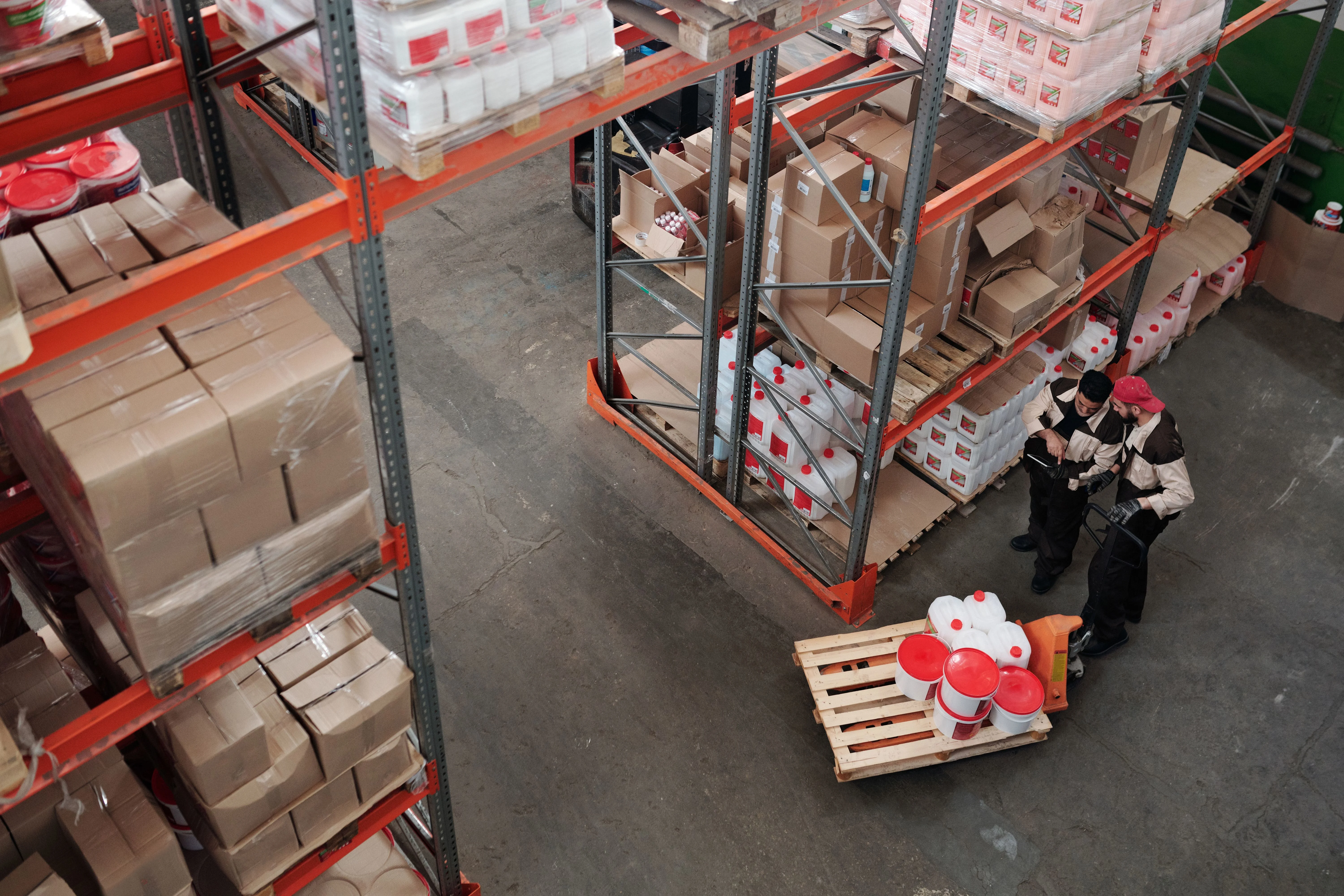
Growing sales are generally positive, but they do not automatically mean that a business has more cash available.
As sales increase, the business may need to spend more on inventory, production, shipping, packaging, staff, marketing, or other activities needed to support that growth. If customers are paying later than the business is required to pay suppliers and other expenses, higher sales can actually increase pressure on available cash.
This is why it is important not to judge financial health based on revenue alone. A business can be busier than ever while still facing a growing gap between cash coming in and cash going out.
4. You Keep Using Short-Term Borrowing to Cover Everyday Costs
Borrowing is not automatically a sign of financial trouble. Businesses may use loans, overdrafts, or other financing for a variety of legitimate reasons.
However, regularly relying on short-term borrowing to pay routine expenses such as salaries, rent, or supplier invoices may indicate that the business has an ongoing cash flow gap. The important question is not simply whether the business has access to borrowing, but why that borrowing is needed.
If financing is repeatedly being used to cover ordinary operating costs, the underlying movement of cash through the business may be worth examining. Reviewing receivables, payment schedules, operating expenses, and upcoming obligations can help identify where the pressure is coming from.
5. Unexpected Expenses Keep Causing Major Disruptions
Every business experiences unexpected costs from time to time. Equipment can break down, suppliers can increase prices, or an operational issue may require immediate spending.
The problem arises when even a relatively manageable unexpected expense creates a major disruption to the business's ability to operate. This may suggest that the business has limited cash reserves or that most available cash is already committed to other expenses.
Building a financial buffer may not eliminate unexpected costs, but it can give a business more flexibility when they occur. The right amount will vary depending on the business's size, industry, operating costs, and level of financial uncertainty.

6. You're Always Unsure How Much Cash Is Actually Available
Knowing the balance in the business bank account is not necessarily the same as knowing how much cash the business can actually use.
Some of that money may already be needed for payroll, supplier payments, taxes, loan repayments, or other upcoming obligations. If a business owner regularly struggles to answer the question, “How much cash do we actually have available?”, it may be difficult to make confident decisions about spending or growth.
Improving visibility over expected cash inflows and outflows can make this clearer. Businesses can benefit from regularly reviewing what money is expected to come in, what payments are due, and when those movements are likely to happen. This is another area where a CA in Gurugram can provide useful financial perspective alongside the business's internal records.
As financial operations become more complex, businesses can also learn more about the professional services available for support across areas such as accounting, taxation, compliance, and business advisory.
7. Your Business Is Growing, but Financial Stress Is Increasing
Growth is often seen as the solution to financial problems. However, rapid growth can sometimes create new cash flow pressures.
More customers may mean more unpaid invoices. More orders may require larger inventory purchases. More employees can increase payroll costs, while expansion may involve new equipment, premises, or operational expenses.
As a result, a business can grow significantly while financial pressure increases at the same time. Understanding how growth affects working capital and future cash requirements can help owners prepare for these changes rather than reacting to them after cash becomes tight.
For a growing business, financial planning can become increasingly important as operations become more complex. Working with a CA in Gurugram can be one way to gain additional perspective on how expansion is affecting the financial side of the business.
Why Work With a Professional
Managing business finances involves much more than maintaining records or meeting deadlines. Strong financial systems, proactive planning, and informed decision-making all contribute to sustainable business growth. Working with experienced professionals helps businesses stay organised, remain compliant, and build a stronger financial foundation.
At P.K. Lakhani & Co., we help businesses with:
✅ Audit and assurance services
✅ Accounting and bookkeeping
✅ GST registration and return filing
✅ Tax planning and compliance
✅ Payroll and statutory compliance
✅ Business advisory and financial consulting
Consult Our Experts Today
P.K. Lakhani & Co.
📍 302, JMD Galleria, Sohna Road, Sector 48, Gurugram, Haryana, India
📞 +91 9811115617
🌐 https://www.pklakhani.com/
Conclusion
Cash flow problems do not always begin with an empty bank account. They can develop gradually through delayed customer payments, difficulty managing supplier bills, increasing reliance on short-term borrowing, or uncertainty about how much cash is actually available.
Recognising these warning signs gives businesses an opportunity to take a closer look at how money is moving through their operations. As a business grows, keeping track of cash inflows, outflows, obligations, and future requirements can become increasingly important. For businesses looking for a CA in Gurugram, professional financial support can also complement internal financial management and help owners better understand the patterns behind their numbers.
Frequently Asked Questions
1. Can a profitable business still have a cash flow problem?
Yes. Profit and cash flow are not the same thing. A business may record revenue and profit but still face cash pressure if customers have not yet paid, money is tied up in inventory, or significant expenses need to be paid before cash is received.
2. What is a common cause of cash flow problems?
Delayed customer payments can be a significant cause, particularly when a business still needs to pay employees, suppliers, rent, and other expenses on time. Other factors can include high operating costs, poor visibility over cash movements, and rapid growth that requires additional working capital.
3. How can a business improve cash flow without increasing sales?
A business may review how quickly customers pay, manage payment terms, reduce unnecessary expenses, improve inventory management, or gain better visibility over upcoming cash inflows and outflows. The most appropriate approach depends on the specific cause of the cash flow pressure.
4. How much cash should a business keep in reserve?
There is no single amount that suits every business. The appropriate level depends on factors such as operating costs, revenue stability, industry, upcoming commitments, and the level of uncertainty the business faces.
5. When should a business become concerned about late customer payments?
A business should pay attention when late payments become frequent enough to affect its ability to pay its own expenses or when unpaid invoices begin to create recurring pressure on available cash. Reviewing ageing receivables can help identify whether delays are becoming a pattern.
6. Can rapid business growth create cash flow problems?
Yes. Growth can increase the amount a business needs to spend on inventory, employees, production, marketing, and other operating requirements before additional customer payments are received. Businesses may therefore need to plan for the working-capital impact of growth rather than assuming higher sales will automatically improve cash availability.
Disclaimer: This article is intended for general informational purposes only and does not constitute financial, tax, accounting, or professional advice. Businesses should consult a qualified professional for advice based on their specific circumstances.
Published by P.K. Lakhani & Co.
Tags: CA in Gurugram, Cash Flow, Business Finance, Financial Management, Working Capital, Small Business Finance, Business Growth, Cash Flow Management