
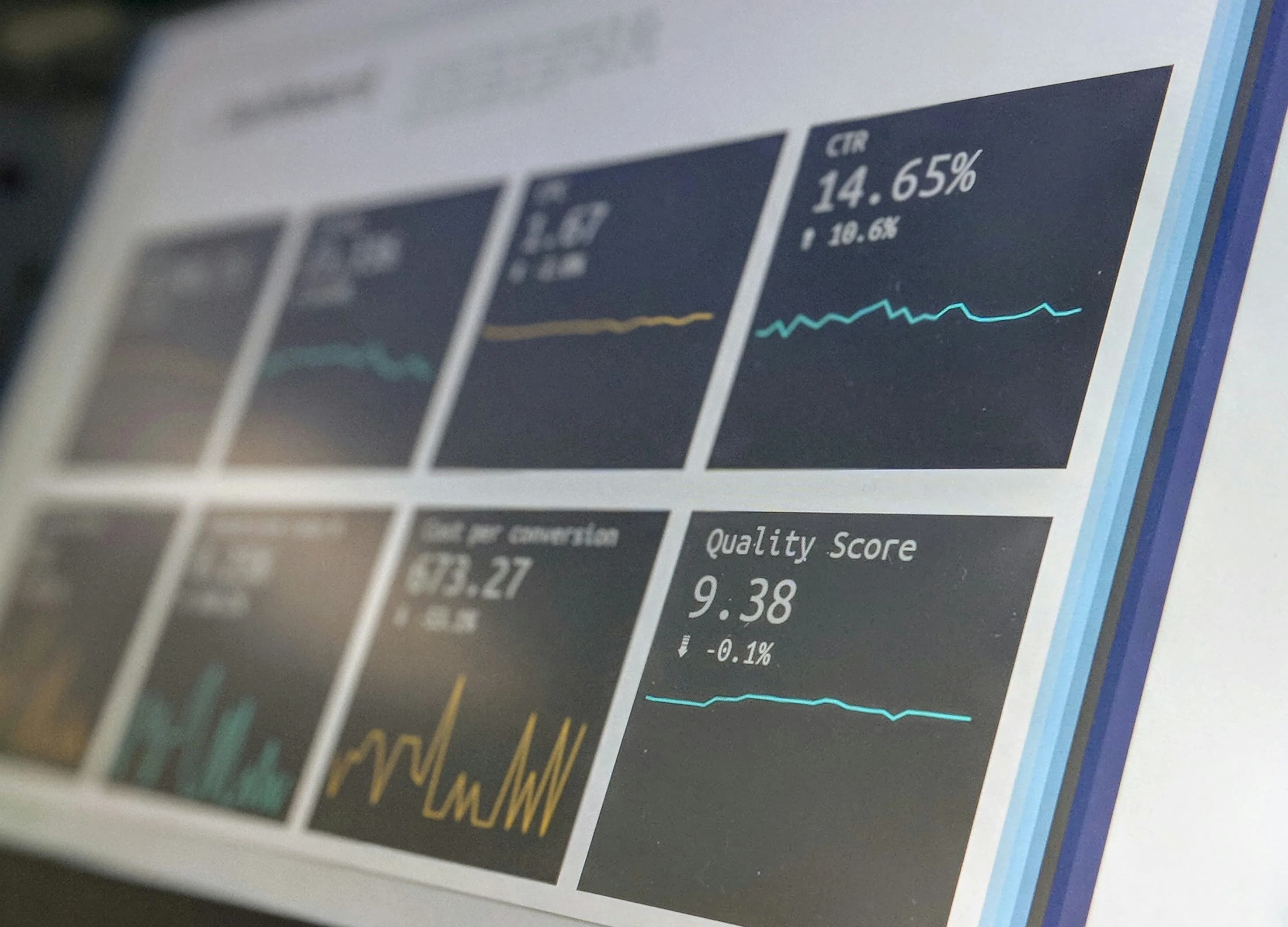
Running a business involves looking beyond total sales. A business can generate strong revenue and still struggle with cash, carry excessive debt, or see its margins steadily decline. Understanding a few key financial numbers can give business owners a clearer picture of how the business is actually performing. You don't need to be an accountant to follow these figures, but knowing what they represent can make financial decisions easier. Whether you're working with an internal finance team or a CA in Gurugram, these are eight numbers worth keeping an eye on.
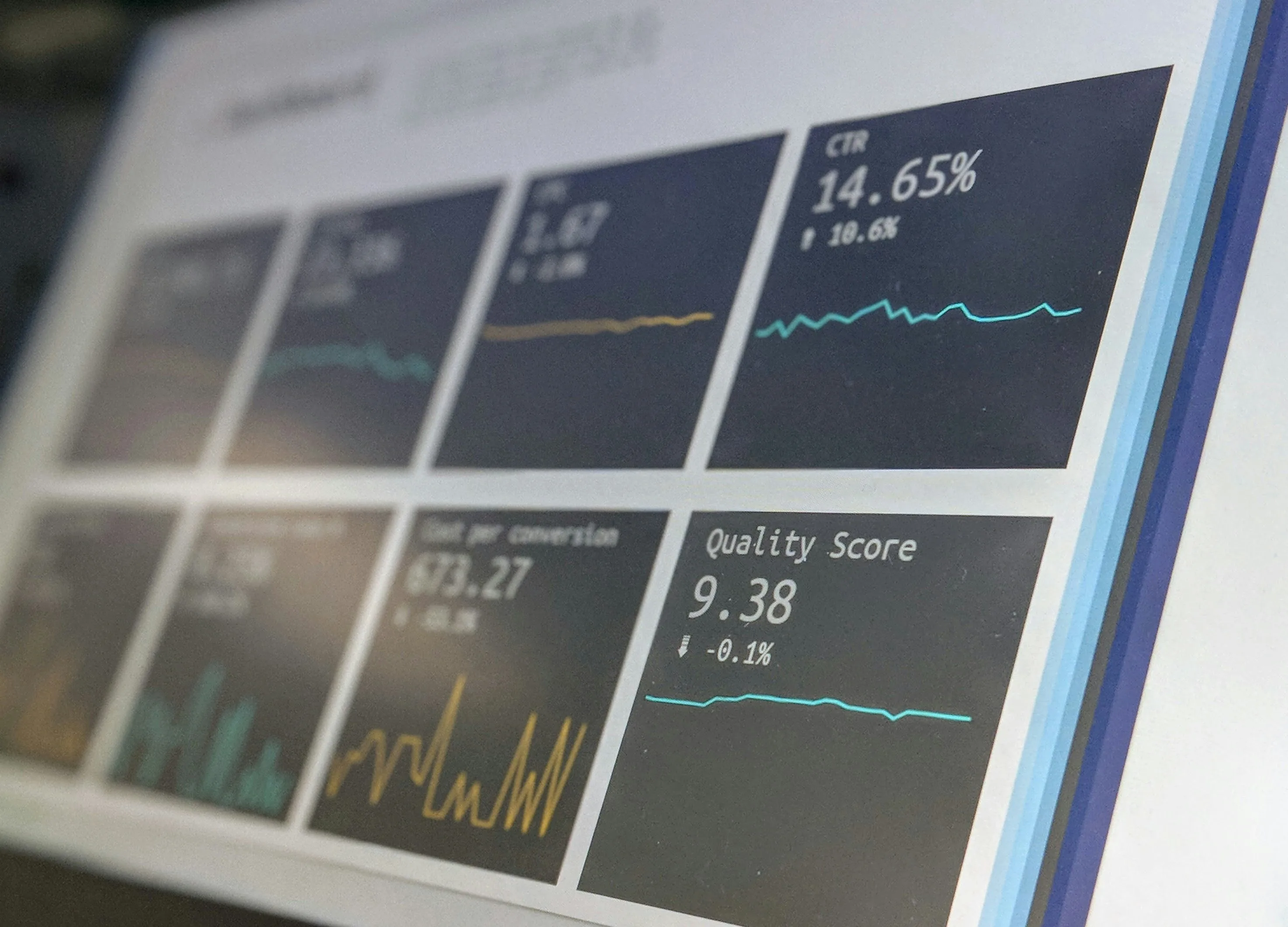
1. Revenue
Revenue is the total income generated from selling products or services before expenses are deducted. Tracking revenue over time helps business owners understand whether sales are growing, declining, or remaining relatively stable. It can also be useful to compare revenue across different periods, products, locations, or customer groups. However, higher revenue doesn't automatically mean a business is more profitable. Looking at revenue alongside other financial numbers provides a much clearer picture of business performance.
2. Gross Profit Margin
Gross profit margin shows how much of a company's revenue remains after accounting for the direct costs associated with producing its goods or services. It can help business owners understand whether their pricing and direct costs are working together effectively. If revenue is increasing while gross margins are shrinking, the business may need to examine pricing, supplier costs, production expenses, or its product mix. Businesses can also explore the range of services available when they want broader professional support with their financial requirements.

3. Net Profit Margin
Net profit margin looks at what remains after the business accounts for its wider expenses. It provides a broader view of profitability than gross margin because it considers costs such as salaries, rent, utilities, administration, and other operating expenses. Monitoring this figure over time can help owners understand whether growth in sales is translating into actual improvement in profitability.
For businesses working with a CA in Gurugram, reviewing this number alongside other financial indicators can also provide useful context when assessing the overall financial position of the business.
4. Accounts Receivable
Accounts receivable represents money that customers owe the business for goods or services already provided. A growing receivables balance isn't necessarily a problem, but consistently delayed payments can put pressure on cash flow. Businesses should monitor how much is outstanding and how quickly customers typically settle their invoices. Keeping receivables under control can make it easier to meet the company's own financial commitments.
5. Accounts Payable
Accounts payable represents amounts the business owes to suppliers and other parties. Tracking these obligations helps owners understand upcoming payments and manage their available cash more effectively. It can also provide useful insight into supplier relationships and payment patterns. Businesses should aim to maintain organised records of what is due and when, rather than allowing unpaid obligations to accumulate unnoticed.
6. Operating Cash Flow
Profit and cash aren't the same thing. Operating cash flow looks at the cash generated or used through the company's normal business activities. A business may report a profit while having limited cash available because money is tied up in unpaid invoices, inventory, or other areas. Monitoring operating cash flow can therefore give owners another perspective on whether day-to-day operations are generating enough cash to support the business.
This is also one area where a CA in Gurugram can help a business owner interpret financial information in the context of the company's wider accounting and tax position.

7. Debt-to-Equity Ratio
The debt-to-equity ratio compares the amount a business owes with the capital invested by its owners. It can provide context about how heavily a business relies on borrowed funds to finance its operations and growth. A business taking on debt isn't automatically a concern, particularly when borrowing is being used productively. However, understanding the balance between debt and owner's equity can help when evaluating financing and expansion decisions.
When these decisions involve significant borrowing or expansion, discussing the numbers with a CA in Gurugram can provide another perspective before the business commits to a particular financial approach.
8. Break-Even Point
The break-even point is the level of sales at which total revenue covers total costs. Knowing this figure can help business owners understand how much they need to sell before the business starts generating a profit. It can be particularly useful when setting prices, launching new products, evaluating expansion plans, or reviewing cost structures. For businesses with changing expenses, revisiting the break-even point periodically can make financial planning more meaningful.
For more complex financial decisions, businesses can also take a look at the firm's business and financial services to understand what professional support may be relevant.

Why Work With a Professional
Managing business finances involves much more than maintaining records or meeting deadlines. Strong financial systems, proactive planning, and informed decision-making all contribute to sustainable business growth. Working with experienced professionals helps businesses stay organised, remain compliant, and build a stronger financial foundation.
At P.K. Lakhani & Co., we help businesses with:
✅ Audit and assurance services
✅ Accounting and bookkeeping
✅ GST registration and return filing
✅ Tax planning and compliance
✅ Payroll and statutory compliance
✅ Business advisory and financial consulting
Consult Our Experts Today
P.K. Lakhani & Co.
📍 302, JMD Galleria, Sohna Road, Sector 48, Gurugram, Haryana, India
📞 +91 9811115617
🌐 https://www.pklakhani.com/
Conclusion
Business owners don't need to become accountants to understand their company's financial position. Knowing what revenue, margins, receivables, payables, cash flow, debt, and break-even numbers represent can provide much greater visibility into how the business is performing. Regularly reviewing these figures can also make it easier to spot changes before they become larger problems. For businesses seeking a CA in Gurugram, professional financial guidance can complement that understanding and help owners make decisions with a clearer view of their numbers.
Frequently Asked Questions
1. How often should business owners review their financial numbers?
The appropriate frequency depends on the size and nature of the business. Many businesses benefit from reviewing key figures monthly, while operations with more frequently changing revenues or expenses may require closer monitoring.
2. Which financial number should a business owner focus on first?
There isn't one number that works for every business. Revenue, profitability, cash flow, receivables, and other metrics each provide different information, so looking at them together gives a more useful picture.
3. Can a business have high revenue but still lose money?
Yes. High revenue does not necessarily mean high profitability. If operating and other expenses are greater than the income generated, a business can have substantial sales while still making a loss.
4. Why can a profitable business still have cash-flow problems?
Profit may include sales for which the business has not yet received payment. Cash can also be tied up in inventory or other assets, meaning the business may have reported profits without having the same amount of cash available.
5. Should small businesses track the same numbers as large companies?
The core financial concepts are often similar, but the level of detail required can vary significantly. Smaller businesses may track fewer metrics, while larger organisations may need more detailed reporting across departments, products, or locations.
6. When should a business consider getting professional financial advice?
Professional input can be useful when a business is growing, taking on significant financing, changing its structure, expanding operations, or dealing with increasingly complex taxation and compliance requirements. A CA in Gurugram can provide an additional perspective when these financial decisions arise.
Disclaimer: This article is intended for general informational purposes only and does not constitute financial, tax, accounting, or professional advice. Businesses should consult a qualified professional for advice based on their specific circumstances.
Published by P.K. Lakhani & Co.
Tags: CA in Gurugram, Business Finance, Financial Management, Business Accounting, Profitability, Cash Flow Management, Small Business Finance, Business Growth