
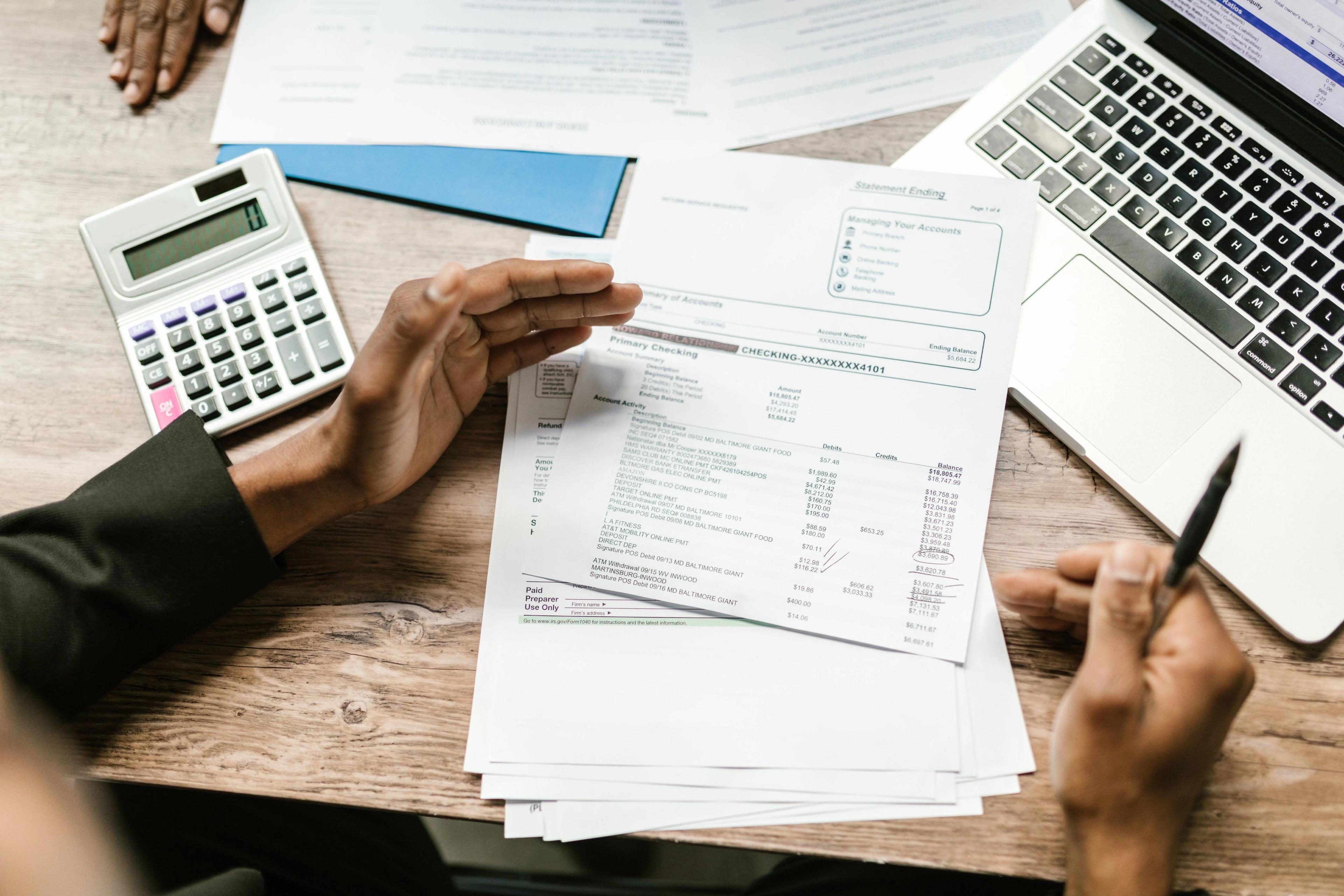
Knowing your business's accounting profit is not enough to determine how much income tax you owe. Taxable income is calculated after adjusting your profit for expenses and allowances permitted under tax law. Understanding these adjustments helps you estimate your tax liability and avoid reporting errors. A CA in Gurgaon can help you reconcile your books with the applicable tax provisions before filing your return.
Step 1: Calculate your accounting profit
Start with your business's profit and loss account for the relevant tax year. The basic calculation is:
Revenue – Business expenses = Accounting profit
For example, assume a business records:
- Sales revenue: ₹60,00,000
- Cost of goods sold: ₹25,00,000
- Employee salaries: ₹8,00,000
- Rent and utilities: ₹3,00,000
- Marketing and administration: ₹4,00,000
- Other operating expenses: ₹2,00,000
Its accounting profit is ₹18,00,000.
Use the accounting method regularly followed by your business. Under the Income-tax Act, 2025, business income is generally computed using the cash or mercantile system of accounting, subject to applicable provisions.
Step 2: Identify expenses allowed as tax deductions
Not every expense recorded in your accounts automatically qualifies for a tax deduction. Under Section 34 of the Income-tax Act, 2025, an expense must generally be incurred wholly and exclusively for business purposes.
Common deductible expenses include:
- Employee salaries and business-related staff costs
- Office rent, electricity and internet bills
- Advertising and marketing expenses
- Professional and consultancy fees
- Business insurance and repairs
- Interest on business borrowings, subject to applicable conditions
Maintain invoices, payment records and supporting agreements. A CA in Gurgaon can help identify expenses that qualify for deductions and separate them from personal or capital expenditure.
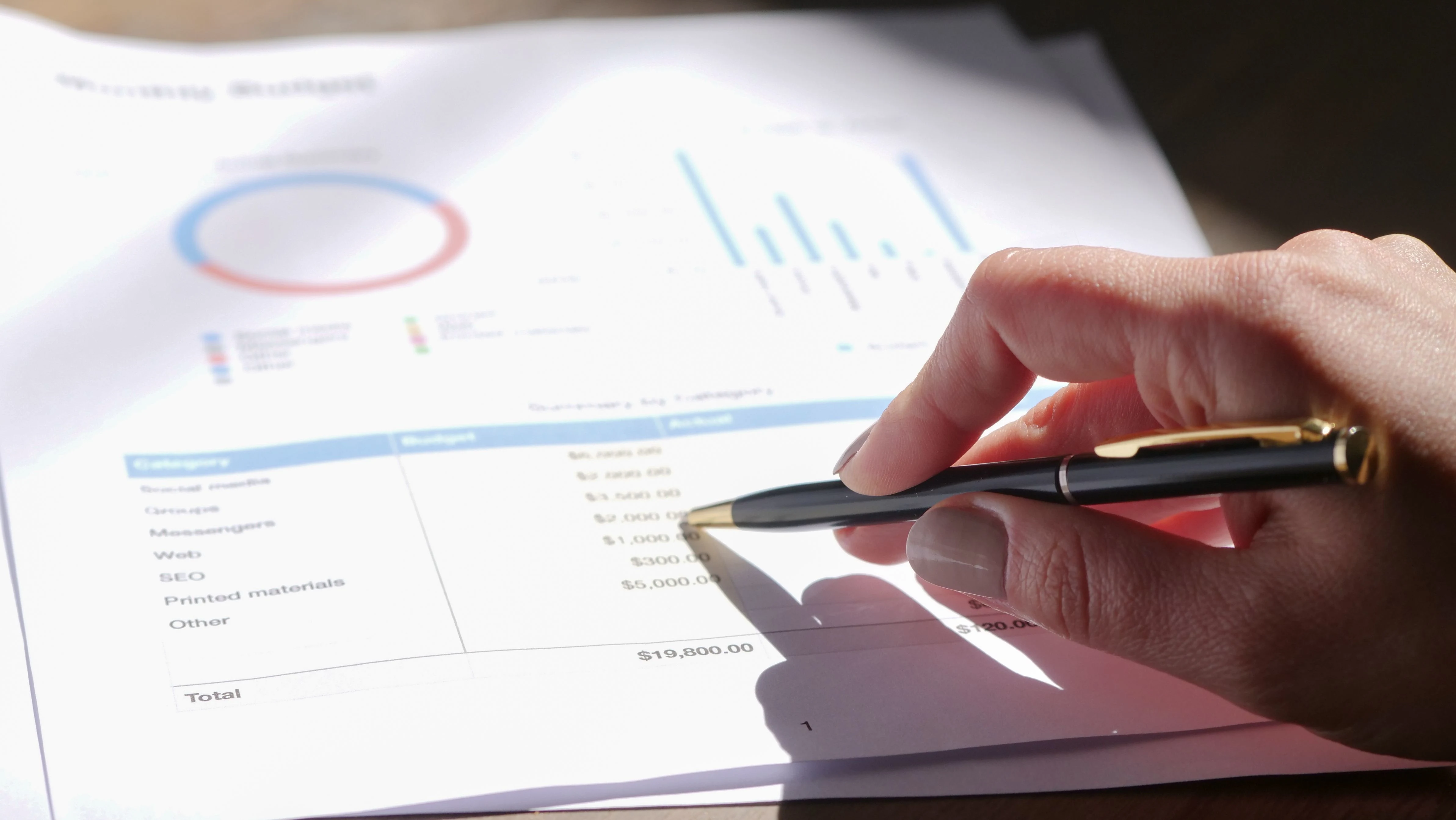
Step 3: Add back expenses that cannot be deducted
Certain expenses may appear in your profit and loss account but must be added back when calculating taxable business income.
Common examples include:
- Personal expenses: Personal purchases or household bills paid through the business cannot be claimed as business expenses.
- Income tax: Income tax paid by the business owner or company is not deductible when computing business income.
- Capital expenditure: Buying machinery or office equipment is generally not treated as an ordinary revenue expense. Tax depreciation may be available instead.
- Non-compliant TDS payments: Under Section 35, 30% of certain payments to residents can be disallowed if applicable TDS was not deducted or deposited by the prescribed deadline.
- Expenses prohibited by law: Payments for activities that are illegal or prohibited cannot be claimed as deductions.
For example, if ₹1,00,000 of personal expenses were included in the accounts, that amount must be added back to the accounting profit.
Step 4: Account for tax depreciation
Businesses often purchase machinery, computers, furniture and vehicles. These purchases are generally capitalised rather than deducted fully as ordinary expenses.
Instead, eligible assets qualify for depreciation under Section 33 and the applicable Income-tax Rules. Depreciation is calculated using prescribed rates and the relevant block of assets.
For example, if a business purchases machinery for ₹5,00,000, it cannot automatically deduct the entire purchase price in that tax year. It must calculate the eligible depreciation based on the asset category and applicable rules.
Remember to distinguish accounting depreciation from tax depreciation. If your books already include accounting depreciation, adjust it when calculating taxable income and claim the depreciation permitted under tax law. A CA in Gurgaon can help reconcile the two figures.

Step 5: Calculate taxable business income
Once you have identified the permitted deductions and required adjustments, use this calculation:
Accounting profit
+ Expenses disallowed under tax law
– Eligible tax deductions not already accounted for
= Taxable business income
Consider the following simplified example:
- Accounting profit: ₹18,00,000
- Personal expenses added back: ₹1,00,000
- Disallowed TDS-related expense: ₹30,000
- Additional eligible tax depreciation: ₹50,000
Taxable business income = ₹18,80,000
This is an illustrative calculation. The actual figure depends on the business's records and the applicable tax provisions.
Step 6: Check whether presumptive taxation applies
Eligible small businesses and specified professionals may be able to use presumptive taxation under Section 58 of the Income-tax Act, 2025.
For eligible businesses, the prescribed profit is generally calculated at 6% of qualifying digital receipts and 8% of the remaining turnover, or the higher profit actually earned. The general turnover limit is ₹2 crore, increasing to ₹3 crore where cash receipts do not exceed 5% of total turnover or gross receipts.
Specified professionals may be eligible for presumptive taxation at 50% of gross receipts, subject to the applicable eligibility conditions and limits.
This method does not allow ordinary business expenses to be deducted separately from the presumptive income. Compare both methods before choosing an applicable option.
Step 7: Apply the correct tax rate
Taxable business income is not necessarily the final amount on which tax is calculated. The business structure determines how the income is taxed.
- Sole proprietorship: Business profit is included in the proprietor's personal taxable income and taxed at the applicable individual rates.
- Partnership firm or LLP: Taxable income is generally subject to the applicable firm tax rate.
- Company: Taxable income is calculated separately for the company and taxed at the applicable corporate rate.
Other income, eligible deductions, surcharge and cess may also affect the final liability. A CA in Gurgaon can help determine the applicable tax regime and calculate the final amount payable.
Why Work With a Professional
Calculating taxable business income requires more than subtracting expenses from revenue. Incorrect expense classification, missed tax adjustments or depreciation errors can lead to inaccurate returns and potential tax demands. Professional support helps businesses maintain reliable records and apply the relevant tax provisions correctly.
At P.K. Lakhani & Co., we help businesses with:
✅ Audit and assurance services
✅ Accounting and bookkeeping
✅ GST registration and return filing
✅ Tax planning and compliance
✅ Payroll and statutory compliance
✅ Business advisory and financial consulting
Consult Our Experts Today
P.K. Lakhani & Co.
📍 302, JMD Galleria, Sohna Road, Sector 48, Gurugram, Haryana, India
📞 +91 9811115617
🌐 https://www.pklakhani.com/
Conclusion
Calculating taxable business income accurately starts with reliable financial records and a clear understanding of tax adjustments. Review your expenses, account for disallowed payments and calculate depreciation separately before applying the relevant tax rate. Businesses can also assess whether presumptive taxation is suitable for their circumstances.
FAQs
1. Is accounting profit the same as taxable business income?
No. Accounting profit is adjusted for expenses that are not tax-deductible and deductions allowed under income-tax provisions to arrive at taxable business income.
2. Can business owners deduct personal expenses?
No. Expenses that are personal in nature cannot be claimed as business deductions, even if they are paid from a business bank account.
3. Can a business claim the full cost of machinery as an expense?
Generally, no. Machinery is treated as a capital asset, and eligible depreciation is claimed according to the prescribed tax rates and conditions.
4. What is presumptive taxation?
Presumptive taxation allows eligible businesses and specified professionals to calculate taxable business income using prescribed percentages of turnover or gross receipts instead of maintaining a full expense-based computation.
5. Does a sole proprietor pay tax separately from the business?
No. A sole proprietorship is not a separate taxable person for income-tax purposes. Its business profit is included in the proprietor's individual taxable income.
Disclaimer: This article is for general informational purposes only and should not be treated as tax or legal advice. Tax treatment depends on the nature of the business, its records and the provisions applicable to the relevant tax year. Consult a qualified professional before making tax-related decisions.
Published by: P.K. Lakhani & Co.
Tags: taxable business income, business income tax calculation, business expenses tax deductions, presumptive taxation in India, tax depreciation, income tax for businesses