

Preparing salary slips is part of managing employee payroll, and getting the figures right matters when employees need proof of earnings. For businesses handling tax filing in Gurgaon, maintaining accurate salary records also helps organise the information needed for payroll and income tax reporting.

What Is a Salary Slip?
A salary slip, also called a payslip, is a document that explains how an employee's salary has been calculated for a particular pay period. It shows the earnings credited to the employee, deductions made from those earnings and the final amount payable.
For example, an employee might have a monthly gross salary of ₹40,000 but receive ₹37,000 in their bank account after applicable deductions. The salary slip explains the difference between these figures.
For a business owner, a consistent payslip format makes payroll easier to review. It also gives employees a record they can refer to when checking salary payments or preparing documents for financial purposes.
What Should a Salary Slip Include?
A clear salary slip should identify the employee and employer, specify the pay period and explain the salary calculation. The precise format and required particulars should be checked against the rules applicable to the establishment. India's Code on Wages framework includes provisions relating to wage slips and prescribed formats.
A practical salary slip will generally contain the following information:
- Employer details: Business name and address
- Employee details: Employee name, identification number and designation
- Pay period: The month or other period for which salary is being paid
- Attendance details: Paid days, unpaid leave or other relevant attendance adjustments
- Earnings: Basic salary and applicable allowances or other earnings
- Deductions: Applicable employee contributions, tax deducted and other authorised deductions
- Salary summary: Gross earnings, total deductions and net salary payable
- Payment details: Payment date and, where useful, the payment reference
The aim is to make every figure understandable. Employees should not have to guess why the amount shown on their payslip differs from the amount deposited into their bank account.

How to Calculate Gross Salary and Take-Home Pay
Before preparing the salary slip, calculate the employee's earnings for the relevant pay period.
Gross salary is the total of the salary components payable before deductions. Depending on the employment arrangement, these may include basic salary, house rent allowance and other applicable allowances.
Net salary, also called take-home pay, is the amount remaining after the deductions from gross earnings.
Consider a hypothetical employee with the following monthly salary:
- Basic salary: ₹25,000
- House rent allowance: ₹10,000
- Other allowance: ₹5,000
- Gross salary: ₹40,000
- Total employee deductions: ₹3,000
- Net salary: ₹37,000
These figures are illustrative. Actual salary components and depend on the employee's terms of employment and applicable requirements.
The calculation is straightforward: subtract total deductions from gross salary to arrive at net salary. Check the arithmetic before issuing the payslip, particularly when payroll includes attendance adjustments or variable earnings.
How to Prepare a Salary Slip Step by Step
Once the salary figures are ready, follow a consistent process for each employee.
- Collect the payroll information. Refer to the employee's agreed salary structure, attendance records and any approved changes affecting that month's pay.
- Calculate earnings. Add the salary components payable for the period, accounting for relevant adjustments.
- Calculate deductions. Include only applicable deductions and verify the amounts against the relevant payroll records.
- Work out net salary. Subtract total deductions from gross earnings and confirm that the calculation is correct.
- Prepare the document. Enter the employee details, pay period, earnings, deductions and final amount in your chosen format.
- Review and issue the payslip. Check the information against payroll records and provide the completed document to the employee.
Businesses can prepare salary slips using a spreadsheet, payroll software or an appropriate template. The important thing is to use a consistent format and retain records that support the figures shown.
How Do Salary Slips Help With Payroll and Tax Records?
Salary slips give employees a month-by-month breakdown of their earnings and deductions. For employers, they create a useful record that can be compared with payroll calculations and salary payments.
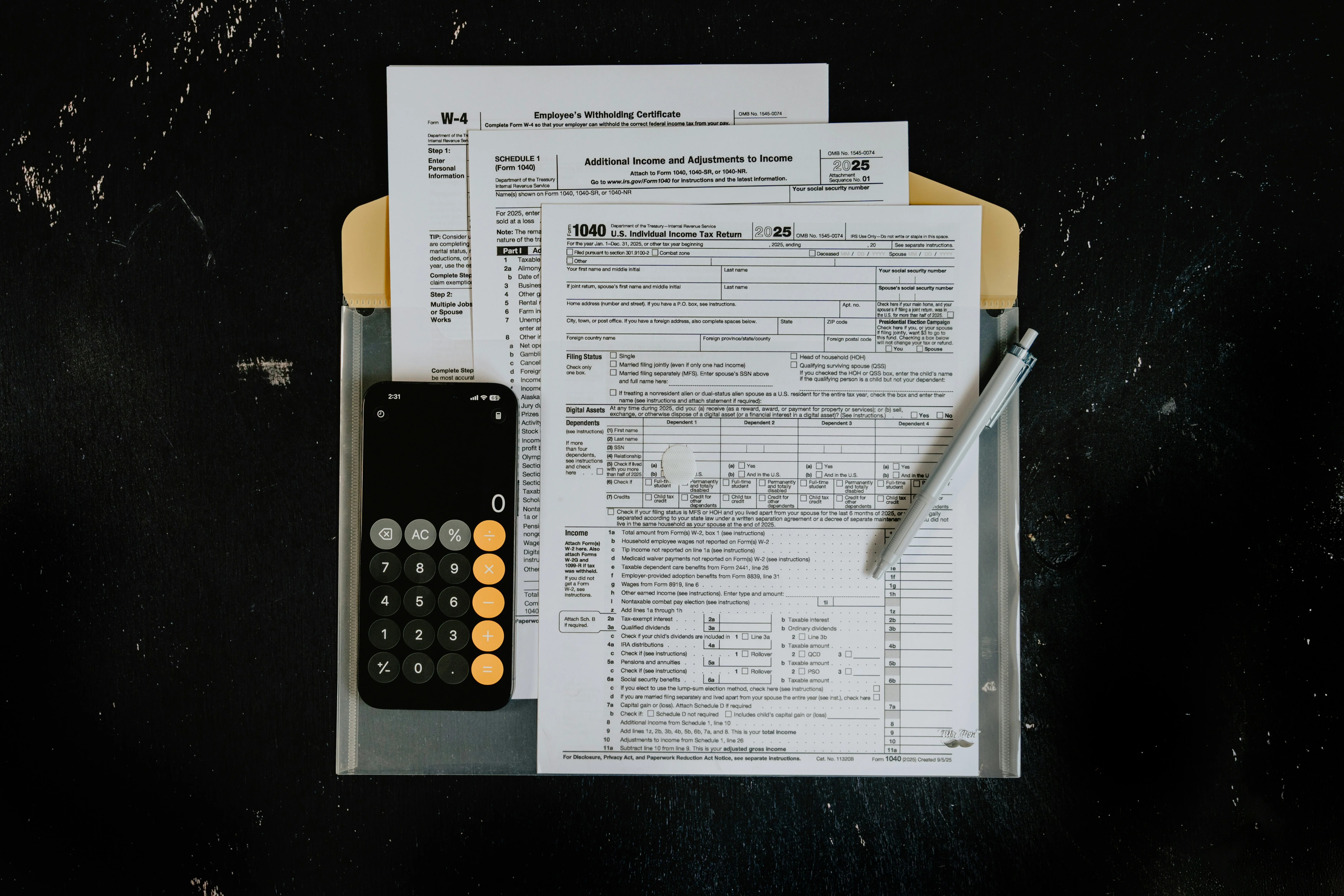
When preparing tax filing in Gurgaon, businesses may also need to reconcile salary information with their tax deduction records. Where tax is deducted from salary, employers should maintain the relevant supporting information and fulfil applicable reporting and certificate requirements. Form 16 is a separate tax deduction certificate issued by employers; it is not a substitute for a monthly salary slip.
Keeping these records organised throughout the year makes it easier to investigate differences and prepare the information needed for year-end reporting.
Common Mistakes to Avoid When Preparing Salary Slips
Small errors can create confusion for employees and extra work for the business. Watch out for these common mistakes:
- Using outdated salary figures after a change in pay
- Calculating deductions incorrectly
- Recording the wrong number of paid days
- Showing net salary that does not match the underlying calculation
- Using inconsistent formats across employees
- Failing to keep copies of issued salary slips and supporting payroll records
Before issuing each payslip, compare the final figures with the payroll register and the amount scheduled for payment. For businesses managing tax filing in Gurgaon, consistent records can also make it easier to reconcile salary payments with relevant tax documentation.
Why Work With a Professional
As your business grows, knowing when to seek professional financial support can help you stay organised, manage compliance requirements and make more informed decisions. Working with experienced professionals can provide the support needed to handle changing financial responsibilities effectively.
At P.K. Lakhani & Co., we help businesses with:
✅ Audit and assurance services
✅ Accounting and bookkeeping
✅ GST registration and return filing
✅ Tax planning and compliance
✅ Payroll and statutory compliance
✅ Business advisory and financial consulting
Consult Our Experts Today
P.K. Lakhani & Co.📍 302, JMD Galleria, Sohna Road, Sector 48, Gurugram, Haryana, India📞 +91 9811115617🌐 https://www.pklakhani.com/
Conclusion
Preparing salary slips becomes easier when a business follows a consistent process for recording earnings, calculating deductions and checking take-home pay. A clear payslip helps employees understand their compensation while giving employers a useful record of monthly payroll.
Maintaining accurate records throughout the year can also support smoother payroll administration and tax filing in Gurgaon. Businesses should ensure that their format and calculations reflect the employment terms and requirements applicable to them.
FAQs
1. What is the difference between gross salary and net salary?
Gross salary is the total earnings before deductions. Net salary is the amount remaining after applicable deductions.
2. Can a small business prepare salary slips using Excel?
A spreadsheet can be used to prepare salary slips, provided the calculations are accurate, records are kept securely and the format meets applicable requirements.
3. Should salary slips show deductions?
Yes, a useful salary slip should clearly show the applicable deductions and their amounts so employees can understand how their take-home pay was calculated. The required particulars depend on the applicable rules.
4. Is a salary slip the same as Form 16?
No. A salary slip provides a breakdown of earnings and deductions for a pay period. Form 16 is a tax deduction certificate issued by the employer under the applicable income tax framework.
5. How often should employers prepare salary slips?
Salary slips are generally prepared for each salary payment period. Employers should follow the applicable wage payment and wage slip requirements.
6. Why should businesses maintain salary slip records?
They help employees verify their earnings and give employers records that can be checked against payroll calculations, salary payments and relevant tax documentation.
Disclaimer: This article is intended for general informational purposes only and should not be considered financial, tax or legal advice. Salary slip requirements and payroll deductions may vary depending on the establishment and applicable rules. Businesses should verify their specific obligations before implementing a payroll process.
Published by: P.K. Lakhani & Co., Chartered Accountants
Tags: Tax Filing in Gurgaon, Salary Slip, Employee Payslip, Payroll Management, Salary Calculation, Salary Deductions, Bookkeeping and Payroll