
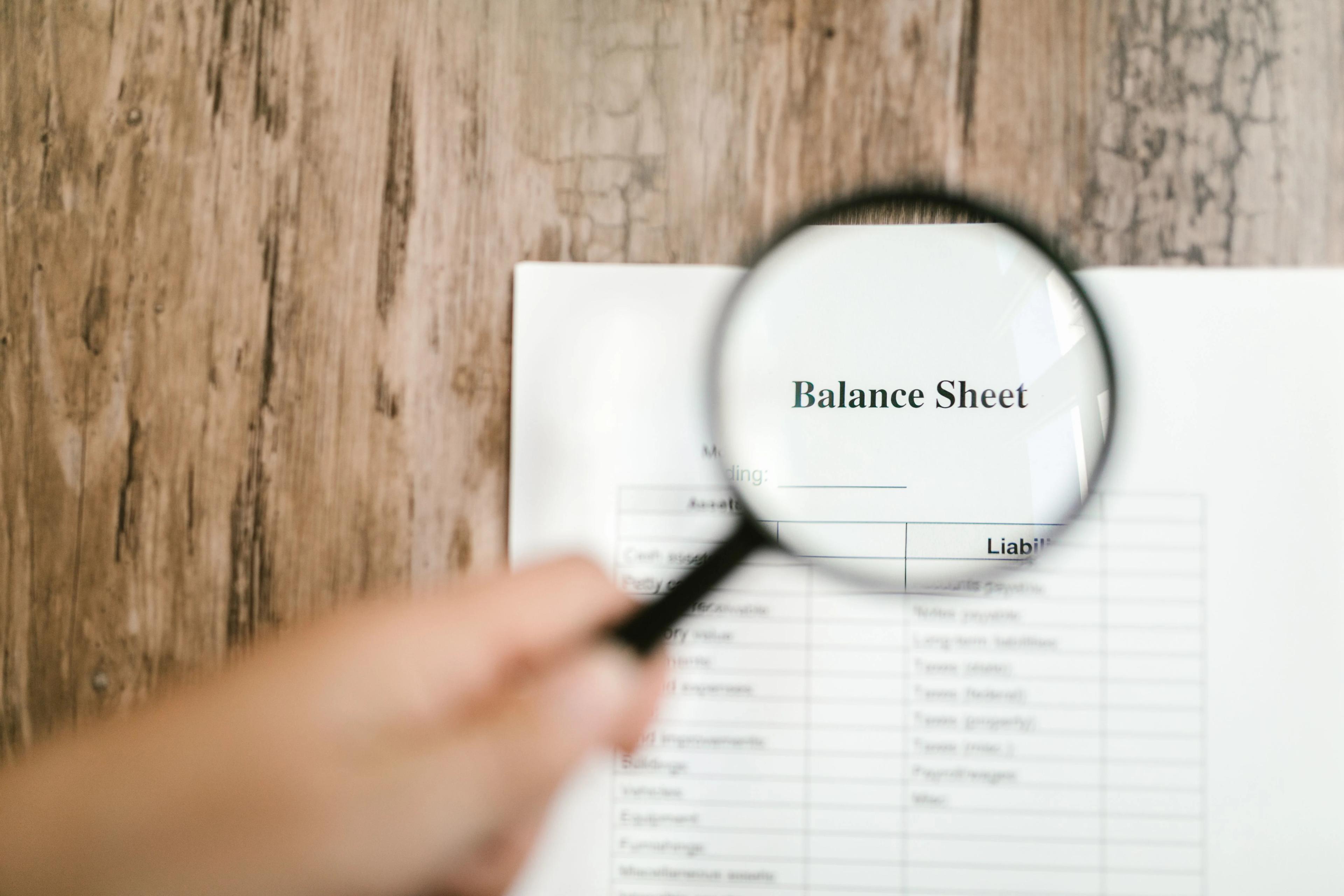
Accounting services in Gurgaon can help business owners maintain accurate financial records, but understanding those records is just as important when making business decisions. Your business might be generating sales and making a profit, yet you may still struggle to understand how much money it actually has or how much it owes. A balance sheet gives you a snapshot of your business's financial position at a particular point in time. This guide explains how to read one, understand its key figures and use the information to make better financial decisions.
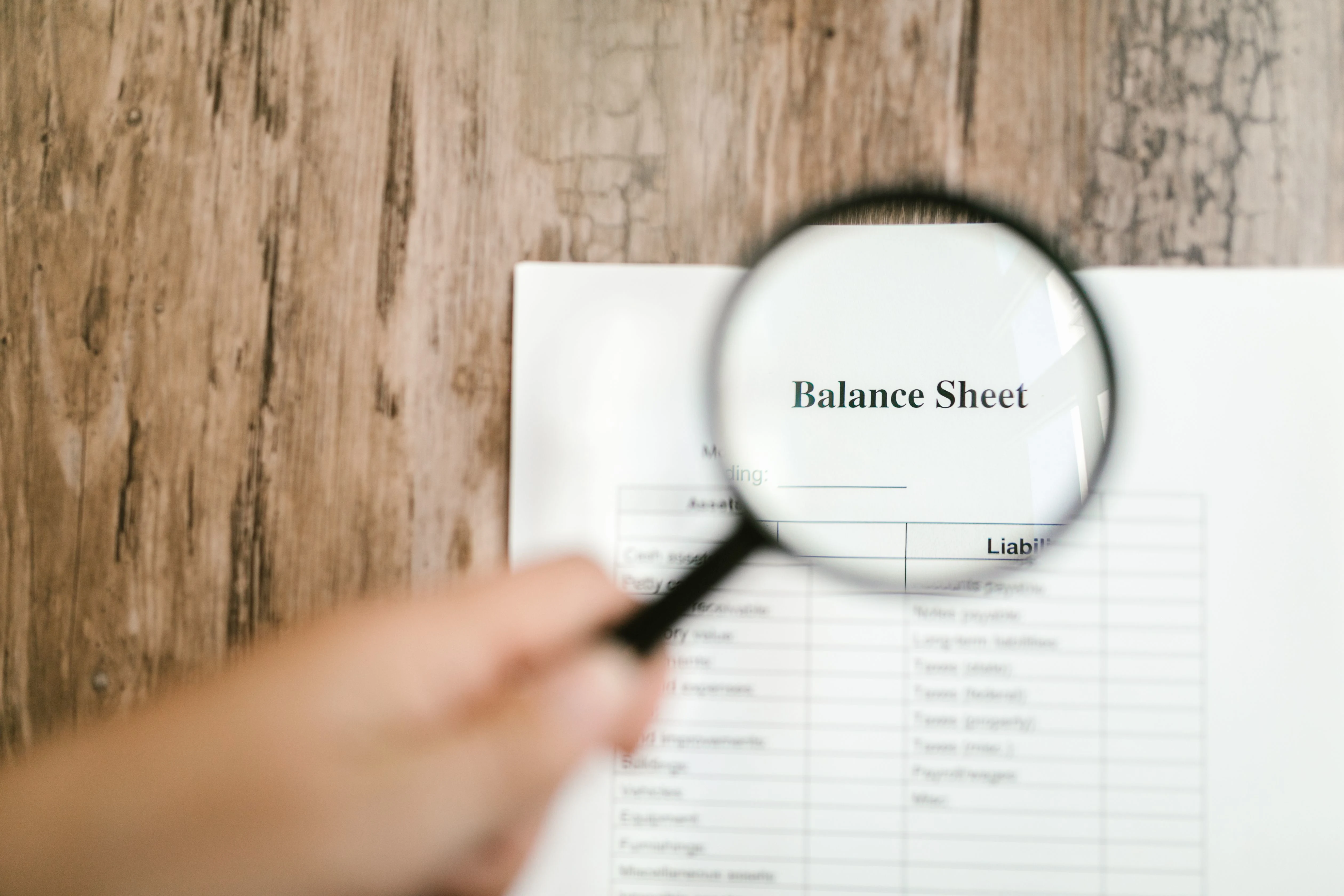
What is a balance sheet?
A balance sheet is a financial statement that shows what a business owns, what it owes and the value left for its owners at a specific date. Unlike a profit and loss statement, which tracks income and expenses over a period, a balance sheet captures the financial position of a business on one particular day.
It is built around a simple accounting equation:
Assets = Liabilities + Equity
The two sides must always balance. If they do not, there may be an error in the accounting records that needs to be investigated. Businesses using accounting services in Gurgaon can have their financial records reviewed regularly to identify such discrepancies.
Understand the three main parts of a balance sheet
Every balance sheet is divided into three broad categories. Understanding what belongs in each one makes the statement much easier to interpret.
1. Assets: What your business owns
Assets are resources that your business owns or controls and expects to receive an economic benefit from. They are generally divided into two categories:
- Current assets: Items expected to be converted into cash, sold or used within 12 months. Examples include cash, inventory and accounts receivable
- Non-current assets: Resources held for longer than a year, such as machinery, office equipment, vehicles and property
For example, if a customer has purchased goods but has not paid yet, the outstanding amount is recorded as accounts receivable. It is an asset because the business expects to collect that money.
2. Liabilities: What your business owes
Liabilities are financial obligations that your business must settle with another party. These include unpaid supplier invoices, loans and outstanding expenses.
They are also divided into two categories:
- Current liabilities: Payments due within the next 12 months, such as supplier dues, short-term loans and unpaid salaries
- Non-current liabilities: Obligations that extend beyond 12 months, such as long-term business loans
A business with significant liabilities is not necessarily in financial trouble. What matters is whether it has sufficient resources and cash flow to meet those obligations when they become due. A professional providing accounting services in Gurgaon can help ensure these obligations are recorded under the correct categories.
3. Equity: What belongs to the owners
Equity represents the value remaining for the owners after all liabilities have been deducted from the business's assets. It may include the owner's capital, retained earnings and other reserves.
For example, if a business owns assets worth ₹9 lakh and owes ₹5 lakh, its equity is ₹4 lakh.
This is also why the accounting equation must balance: the assets are financed through a combination of money owed to others and the owners' interest in the business.
How to read a balance sheet using a practical example
Suppose your business has the following financial position at the end of the financial year.
Assets:
- Cash: ₹1,20,000
- Accounts receivable: ₹2,00,000
- Inventory: ₹1,80,000
- Machinery (net book value): ₹4,00,000
- Total assets: ₹9,00,000
Liabilities:
- Supplier dues: ₹1,50,000
- Short-term loan: ₹1,00,000
- Outstanding expenses: ₹50,000
- Long-term loan: ₹2,00,000
- Total liabilities: ₹5,00,000
Equity:
- Owner's equity: ₹4,00,000
The figures balance because ₹9 lakh in assets equals ₹5 lakh in liabilities plus ₹4 lakh in equity.
However, the figures tell you more than whether the accounts add up. You can use them to assess your business's financial position. Regular accounting services in Gurgaon can also help you compare these figures with previous periods and identify changes that need attention.
What should you look for when reviewing a balance sheet?
Reading the figures is only the first step. You also need to understand what they indicate about your business.
Check whether you can meet short-term obligations
The current ratio compares current assets with current liabilities. Using the example above, assume current assets are ₹5 lakh and current liabilities are ₹3 lakh.
Current ratio = ₹5,00,000 ÷ ₹3,00,000 = 1.67
This means the business has ₹1.67 in current assets for every ₹1 it owes in current liabilities. A ratio below 1 may indicate pressure on short-term liquidity, although the right benchmark depends on the business and its industry.
Look at your working capital
Working capital is the difference between current assets and current liabilities.
Working capital = ₹5,00,000 − ₹3,00,000 = ₹2,00,000
Positive working capital suggests the business has more short-term assets than short-term obligations. However, you should also check how quickly customers pay and whether inventory can be sold without difficulty.
Understand how much debt your business carries
The debt-to-equity ratio compares a company's debt with its owners' equity. If the business has ₹3 lakh in loans and ₹4 lakh in equity, the ratio is 0.75.
This indicates ₹0.75 in debt for every ₹1 of equity. A higher ratio may mean greater reliance on borrowed funds, but acceptable levels vary across industries.
For a clearer picture, review these figures alongside your profit and loss statement and cash flow statement. Accounting services in Gurgaon can support this process by helping you maintain consistent records and interpret financial changes rather than simply recording transactions.
How often should you review your balance sheet?
You should review your balance sheet at least once every quarter. Monthly reviews are even more useful if your business has regular borrowing, significant inventory or delayed customer payments.
Look for changes in receivables, outstanding loans and cash balances. If your assets are increasing but most of that growth comes from unpaid customer invoices, your business may be facing a cash flow problem despite reporting higher sales.
Consistent accounting services in Gurgaon can help keep financial records updated, making it easier to spot discrepancies and understand changes in your financial position.

Why Work With a Professional
Preparing a balance sheet involves more than adding up assets and liabilities. Businesses need to classify transactions correctly, account for outstanding obligations and ensure that financial records accurately reflect their position. Errors in these records can affect financial ratios, tax calculations and decisions about borrowing or expansion.
Working with accounting professionals can help business owners maintain accurate financial statements, identify discrepancies and understand what their financial position means for everyday operations. Regular reviews also make it easier to track changes in assets, liabilities and equity over time.
At P.K. Lakhani & Co., we help businesses with:
✅ Audit and assurance services
✅ Accounting and bookkeeping
✅ GST registration and return filing
✅ Tax planning and compliance
✅ Payroll and statutory compliance
✅ Business advisory and financial consulting
Consult Our Experts Today
P.K. Lakhani & Co.
📍 302, JMD Galleria, Sohna Road, Sector 48, Gurugram, Haryana, India
📞 +91 9811115617
Conclusion
A balance sheet gives you a clearer picture of your business's financial health by showing what it owns, what it owes and what remains for its owners. Reviewing it regularly can help you identify liquidity issues, understand your debt position and make better-informed financial decisions. Don't wait until the end of the financial year to find out where your business stands.
FAQs
1. What is the main purpose of a balance sheet?
A balance sheet shows a business's financial position at a specific point in time. It records its assets, liabilities and equity, helping owners understand what the business owns and owes.
2. What are the three main components of a balance sheet?
The three main components are assets, liabilities and equity. Together, they show how a business's resources are financed.
3. What is a good current ratio for a business?
A current ratio of 1.5 to 2 is often considered a reasonable benchmark, but the appropriate figure depends on the industry, operating model and cash flow cycle.
4. What is the difference between a balance sheet and a profit and loss statement?
A balance sheet shows a business's financial position on a specific date. A profit and loss statement records its income and expenses over a period to calculate profit or loss.
5. How often should a small business prepare a balance sheet?
A small business should ideally prepare and review its balance sheet every month or quarter. Regular reviews make it easier to identify financial issues before they become difficult to manage.
Disclaimer: This article is intended for general informational purposes only and should not be treated as accounting, financial or tax advice. Financial reporting requirements and accounting treatments may vary depending on the nature of the business and applicable regulations. Consult a qualified professional for advice specific to your circumstances.
Published by: P.K. Lakhani & Co.
Tags: Balance Sheet, Accounting for Small Businesses, Financial Statements, Business Accounting, Accounting Services in Gurgaon, Financial Management