

For businesses considering GST filing in Gurgaon, choosing between monthly and quarterly returns can affect how they manage their compliance work. The right option depends on the business's turnover and eligibility under the GST rules. Understanding the difference can help business owners plan their filings and tax payments without unnecessary confusion.

What is monthly GST filing?
Under monthly filing, a regular GST-registered taxpayer files their applicable returns every month. Two important forms are involved:
- GSTR-1: Reports details of outward supplies, including sales and invoices issued during the tax period
- GSTR-3B: A summary return used to declare tax liability and claim eligible input tax credit (ITC)
For most regular taxpayers filing monthly, GSTR-1 is generally due by the 11th of the following month, while GSTR-3B is generally due by the 20th. Businesses should check the GST portal for applicable due dates and any extensions.
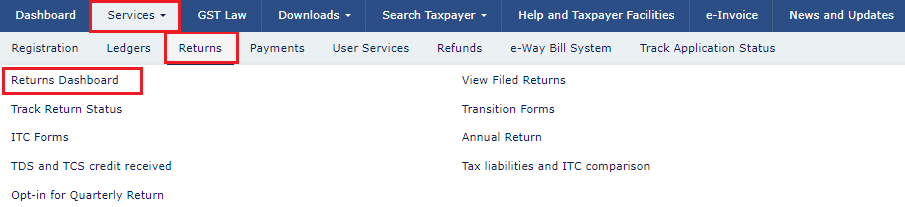
Monthly filing means businesses need to organise their sales and purchase records regularly. While this involves more frequent return submissions, it also allows them to report transactions every month.
What is quarterly GST filing?
Quarterly filing is available to eligible taxpayers under the Quarterly Return Monthly Payment (QRMP) scheme. It allows businesses to file GSTR-1 and GSTR-3B once every quarter instead of submitting both returns every month.
However, quarterly filing does not mean that businesses can ignore their tax obligations for two months. Under the QRMP scheme, taxpayers must generally pay their tax dues monthly for the first two months of each quarter. These payments are made through Form GST PMT-06.
Eligible taxpayers can also use the Invoice Furnishing Facility (IFF) to report specified business-to-business invoices during the first two months. This is optional and helps their registered customers receive the relevant invoice details for input tax credit without waiting for the quarterly GSTR-1.
Who is eligible for the QRMP scheme?
The QRMP scheme is intended for smaller taxpayers who meet the prescribed conditions. A business can generally opt for it if:
- Its aggregate annual turnover, calculated on a PAN basis, is up to ₹5 crore in the current and preceding financial year, where applicable
- It has filed its last due GSTR-3B return
- It is required to file GSTR-1 and GSTR-3B
The scheme is optional. Eligible taxpayers can opt in or opt out through the GST portal within the prescribed selection period. The option generally continues into subsequent quarters unless the taxpayer changes it or becomes ineligible.
Businesses with multiple GST registrations under the same PAN should also remember that the filing frequency can be selected separately for different GSTINs.
Monthly vs quarterly GST filing: Key differences
The main difference between monthly and quarterly GST filing is how frequently businesses submit their returns. Here's what business owners should know:
1. Return filing frequency
Under monthly filing, businesses submit GSTR-1 and GSTR-3B every month. Under the QRMP scheme, eligible taxpayers submit both returns once every quarter.

2. Tax payment schedule
Monthly filers generally pay their tax liability through their monthly GSTR-3B filing. Businesses under QRMP must make tax payments for the first two months of each quarter through Form GST PMT-06. Any remaining liability is settled through the quarterly return.
3. Invoice reporting
Monthly filers report their outward supplies through GSTR-1 every month. QRMP taxpayers report them quarterly, but can use the optional Invoice Furnishing Facility (IFF) to report eligible business-to-business invoices during the first two months.
4. Eligibility
Monthly filing applies to regular taxpayers who do not opt for or qualify for QRMP. The quarterly option is generally available to eligible taxpayers with aggregate annual turnover of up to ₹5 crore, subject to the prescribed conditions.
5. Filing deadlines
Monthly GSTR-1 is generally due by the 11th of the following month, while monthly GSTR-3B is generally due by the 20th. Under QRMP, quarterly GSTR-1 is generally due by the 13th of the month following the quarter. For taxpayers registered in Haryana, quarterly GSTR-3B is generally due by the 24th.
Businesses should check the GST portal for applicable deadlines and any extensions.
Which filing option should your business choose?
The right filing frequency depends on how your business operates and manages its accounts.
Monthly filing may suit businesses that:
- Have turnover above the QRMP eligibility limit
- Prefer to report sales and tax liabilities every month
- Regularly need to share invoice details with registered customers
Quarterly filing may suit businesses that:
- Meet the QRMP eligibility conditions
- Have relatively manageable transaction volumes
- Prefer fewer return submissions during the year
For example, a small consultancy with a limited number of monthly invoices may find quarterly filing easier to manage. A business with frequent sales and a large number of registered customers may prefer monthly reporting to keep its records and invoice reporting more current.
Before choosing, consider your transaction volume and whether your customers depend on timely invoice reporting for their ITC claims. A CA can help you assess the practical implications of each option.
Why work with a professional?
Choosing a filing frequency is only one part of managing GST obligations. Businesses also need to maintain accurate invoices and reconcile their records before submitting returns.
As your business grows, knowing when to seek professional financial support can help you stay organised, manage compliance requirements and make more informed decisions. Working with experienced professionals can provide the support needed to handle changing financial responsibilities effectively.
At P.K. Lakhani & Co., we help businesses with:
✅ Audit and assurance services
✅ Accounting and bookkeeping
✅ GST registration and return filing
✅ Tax planning and compliance
✅ Payroll and statutory compliance
✅ Business advisory and financial consulting
Consult Our Experts Today
If you need help understanding your GST filing requirements or managing regular compliance, our team can help.
P.K. Lakhani & Co.
📍 302, JMD Galleria, Sohna Road, Sector 48, Gurugram, Haryana, India
📞 +91 9811115617
Conclusion
Monthly and quarterly GST filing serve different business requirements. Monthly filing involves more frequent return submissions, while the QRMP scheme reduces the number of returns eligible businesses need to file without removing their monthly payment obligations.
If you are unsure which option applies to your business, reviewing your turnover and compliance requirements can help you make an informed decision. Professional guidance can also make GST filing in Gurgaon easier to manage as your business grows.
Frequently asked questions
1. Can every business choose quarterly GST filing?
No. Quarterly filing under the QRMP scheme is available only to eligible taxpayers who meet the prescribed turnover and return-filing conditions.
2. What is the turnover limit for the QRMP scheme?
The aggregate annual turnover limit is ₹5 crore, calculated on a PAN basis, subject to the applicable conditions.
3. Do businesses under QRMP have to pay GST every month?
Yes. Taxpayers generally need to make monthly payments for the first two months of each quarter through Form GST PMT-06.
4. What is the difference between GSTR-1 and GSTR-3B?
GSTR-1 contains details of outward supplies, while GSTR-3B is a summary return used to declare tax liabilities and eligible input tax credit.
5. Can a business switch from monthly to quarterly filing?
Eligible taxpayers can opt in or opt out of the QRMP scheme through the GST portal within the prescribed selection period.
6. Is quarterly GST filing suitable for small businesses?
It can be suitable for businesses that meet the eligibility conditions and prefer fewer return submissions. However, they should still consider their transaction volume and customers' invoice-reporting requirements.
Disclaimer: The information provided in this article is for general guidance and educational purposes only. GST rules and filing requirements may change. Businesses should refer to the official GST portal or consult a qualified professional for advice based on their circumstances.
Published by: P.K. Lakhani & Co., Chartered Accountants
Tags: GST filing, GST compliance, GST return filing, QRMP scheme, small business accounting, GST filing in Gurgaon