
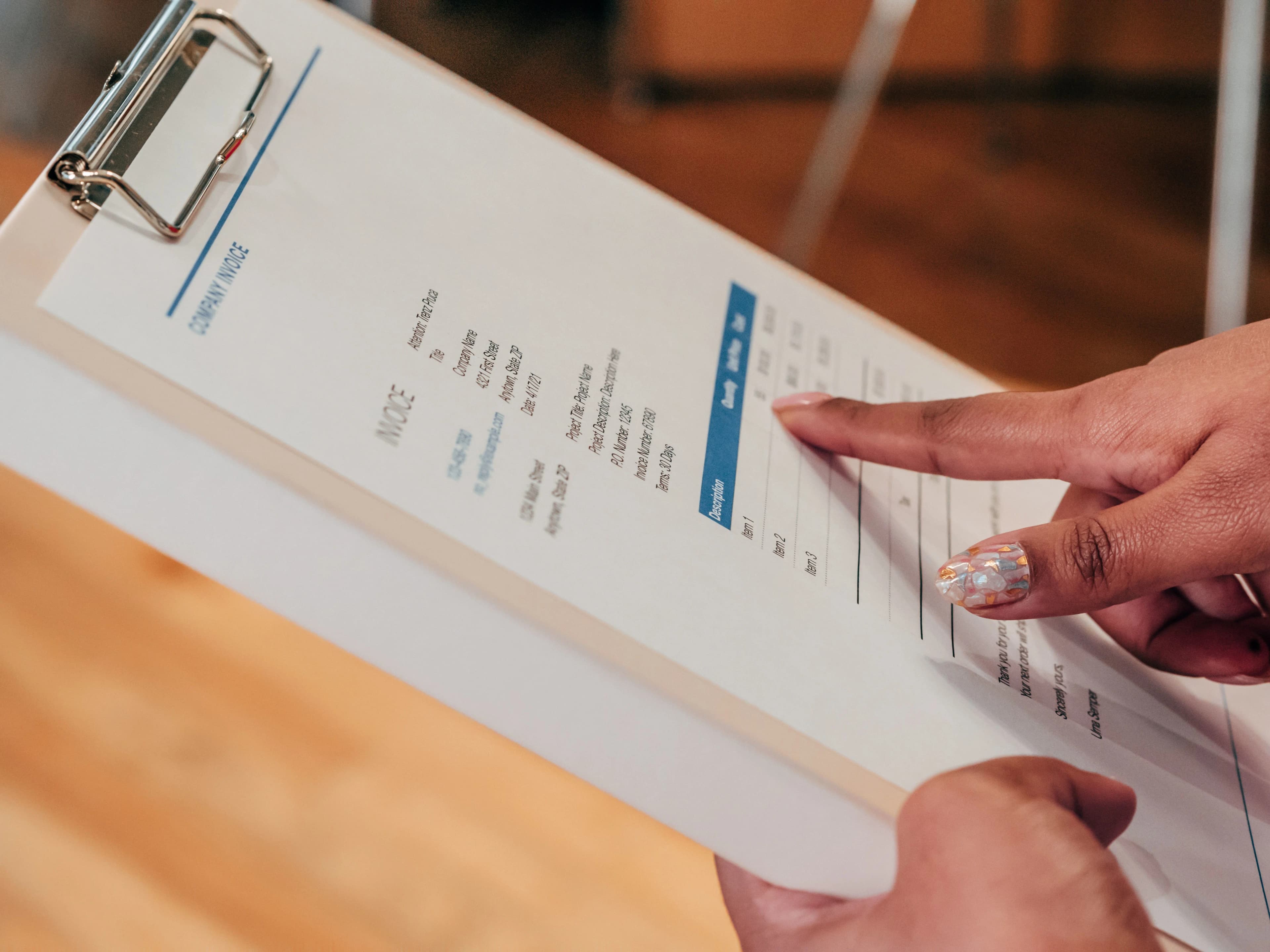
A CA in Gurgaon can help business owners understand which details belong on an invoice and how to avoid common billing errors. Whether you sell products or provide professional services, a well-prepared invoice helps customers understand what they owe and supports accurate accounting and tax reporting.
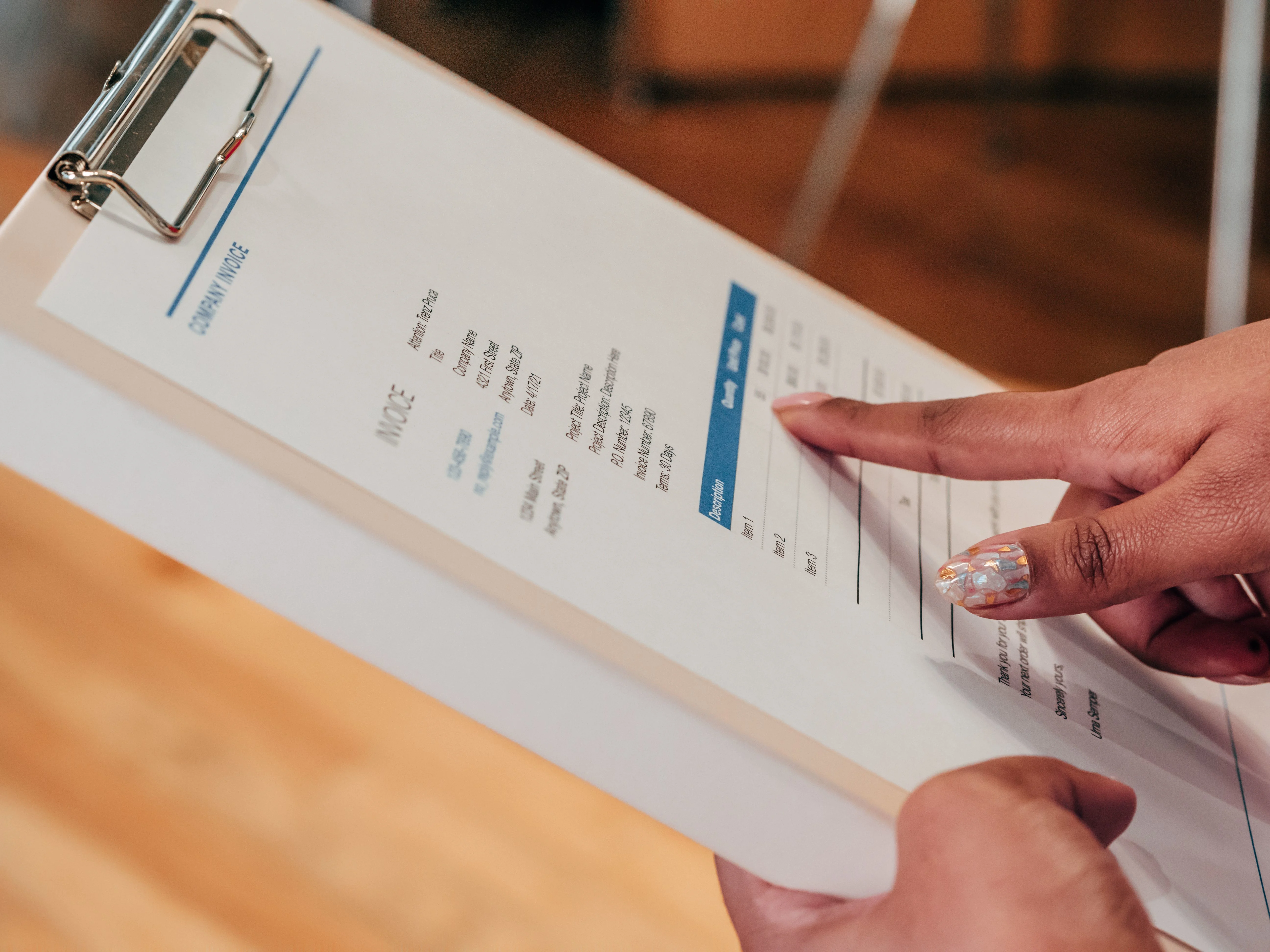
What is a business invoice?
A business invoice is a document issued by a seller to request payment for goods or services supplied. It records the transaction, identifies the parties involved and explains how the amount payable has been calculated.
For businesses registered under GST, a tax invoice must contain the applicable particulars prescribed under Rule 46 of the CGST Rules, 2017. The requirements can differ for other documents, including a bill of supply.
What every field on a business invoice means
1. Business name and contact details
The seller's legal name, address and contact information help the customer identify who issued the invoice. A GST-registered supplier must also include its GSTIN, as required by the applicable rules.
Check that these details match the business's registration records. Incorrect information can create confusion during payment or tax reconciliation.
2. Customer details
The invoice should identify the customer receiving the goods or services. For a registered recipient, the applicable GSTIN or Unique Identity Number must be included. Specific address and state details are also required in certain cases involving unregistered customers.
Confirm the customer's details before issuing the invoice, particularly for business-to-business transactions.

3. Invoice number
An invoice number is a unique reference used to identify a transaction. Under GST rules, a tax invoice must have a consecutive serial number, within the prescribed character limit, that is unique for the financial year.
Businesses can use separate numbering series where appropriate, but should apply the system consistently. This makes it easier to locate invoices and identify missing entries.
4. Invoice date
The invoice date records when the document was issued. It helps businesses organise transactions and determine the relevant accounting period.
The date should reflect the actual issue of the invoice and comply with the timing rules applicable to the supply.
5. Description of goods or services
This field explains what the customer is being charged for. Use a clear description rather than vague entries such as “work” or “miscellaneous.”
For goods, include the relevant product details and quantity. For services, describe the work performed clearly enough for the customer to understand the charge.
6. HSN or SAC code
The Harmonised System of Nomenclature (HSN) code applies to goods, while the Service Accounting Code (SAC) is used for services. These codes help classify supplies for GST purposes.
The code and level of detail required depend on the applicable rules and the supplier's circumstances, so businesses should verify the correct classification.
7. Quantity, price and taxable value
An invoice should show the quantity and unit of goods where applicable, along with the total value of the supply. The taxable value reflects the amount on which GST is calculated after accounting for applicable discounts or abatements.
For example, if a business supplies 10 units at ₹500 each, the initial value is ₹5,000 before applicable discounts and taxes.
8. GST rate and tax amount
Where GST applies, the invoice must show the relevant tax rate and tax amount. Depending on the transaction, the tax may include CGST and SGST, or IGST.
The correct treatment depends on the nature of the supply and the applicable place-of-supply rules. Do not select a tax rate simply because it was used on an earlier invoice.

9. Total amount payable
The final amount should clearly show what the customer needs to pay after accounting for the applicable values, discounts and taxes. A readable breakdown helps customers check the calculation and reduces payment disputes.
10. Payment terms and bank details
Payment due dates, accepted payment methods and bank details help customers settle invoices correctly. These are useful commercial details, although they are not all mandatory particulars under GST invoice rules.
Review account numbers and payment instructions carefully. Incorrect details can delay collections or send payments to the wrong account.
Common invoice mistakes to avoid
Even a professional-looking invoice can cause problems if important details are incorrect. Check that invoice numbers follow a consistent sequence, tax calculations are accurate and customer details are complete. Keep supporting documents and payment records linked to the relevant invoice.
A CA in Gurgaon can help businesses review their invoicing process and understand the GST requirements relevant to their transactions.
Why Work With a Professional
As your business grows, knowing when to seek professional financial support can help you stay organised, manage compliance requirements and make more informed decisions. Working with experienced professionals can provide the support needed to handle changing financial responsibilities effectively.
At P.K. Lakhani & Co., we help businesses with:
✅ Audit and assurance services
✅ Accounting and bookkeeping
✅ GST registration and return filing
✅ Tax planning and compliance
✅ Payroll and statutory compliance
✅ Business advisory and financial consulting
Consult Our Experts Today
P.K. Lakhani & Co. can help you review your invoicing and accounting processes so your business can manage its financial responsibilities with greater confidence.
📍 302, JMD Galleria, Sohna Road, Sector 48, Gurugram, Haryana, India
📞 +91 9811115617
Conclusion
An invoice does more than request payment. It creates a record of a transaction and helps customers understand the charges involved. By checking each field and following the requirements that apply to your business, you can reduce errors and make billing easier to manage. A CA in Gurgaon can help you address invoicing questions and maintain consistent accounting practices.
FAQs
1. Is an invoice mandatory for every business transaction?
The requirement depends on the type of transaction and the laws applicable to the business. GST-registered suppliers must follow the relevant invoicing provisions.
2. What is the difference between an invoice and a receipt?
An invoice requests payment or records the amount due. A receipt generally confirms that payment has been received.
3. Is a GSTIN mandatory on every invoice?
GSTIN requirements depend on the supplier's registration status and the type of document. A GST tax invoice issued by a registered supplier must contain the supplier's GSTIN.
4. What is the difference between HSN and SAC codes?
HSN codes classify goods, while SAC codes classify services for GST purposes.
5. Can a business correct an invoice after issuing it?
Corrections must follow the applicable GST provisions. Depending on the circumstances, a revised invoice, credit note or debit note may be appropriate.
6. Who can help check whether an invoice is GST-compliant?
A chartered accountant can review invoice formats, tax calculations and the requirements applicable to the business.
Disclaimer: This article is intended for general informational purposes only and should not be treated as legal, tax or accounting advice. Invoice requirements can vary according to the transaction and applicable rules. Consult a qualified professional for advice specific to your business.
Published by: P.K. Lakhani & Co., Chartered Accountants in Gurugram
Tags: business invoices, GST invoice, invoicing guide, GST compliance, small business accounting, financial management