

Accounting services in Gurgaon can help businesses maintain accurate financial records, but keeping track of the physical assets behind those records is equally important. From computers and office furniture to machinery and vehicles, businesses often own equipment that needs to be monitored throughout its useful life. A fixed asset register helps record these purchases, track depreciation and maintain an accurate picture of the company's assets. Here's what it should contain and how businesses can use it effectively.

What is a fixed asset register?
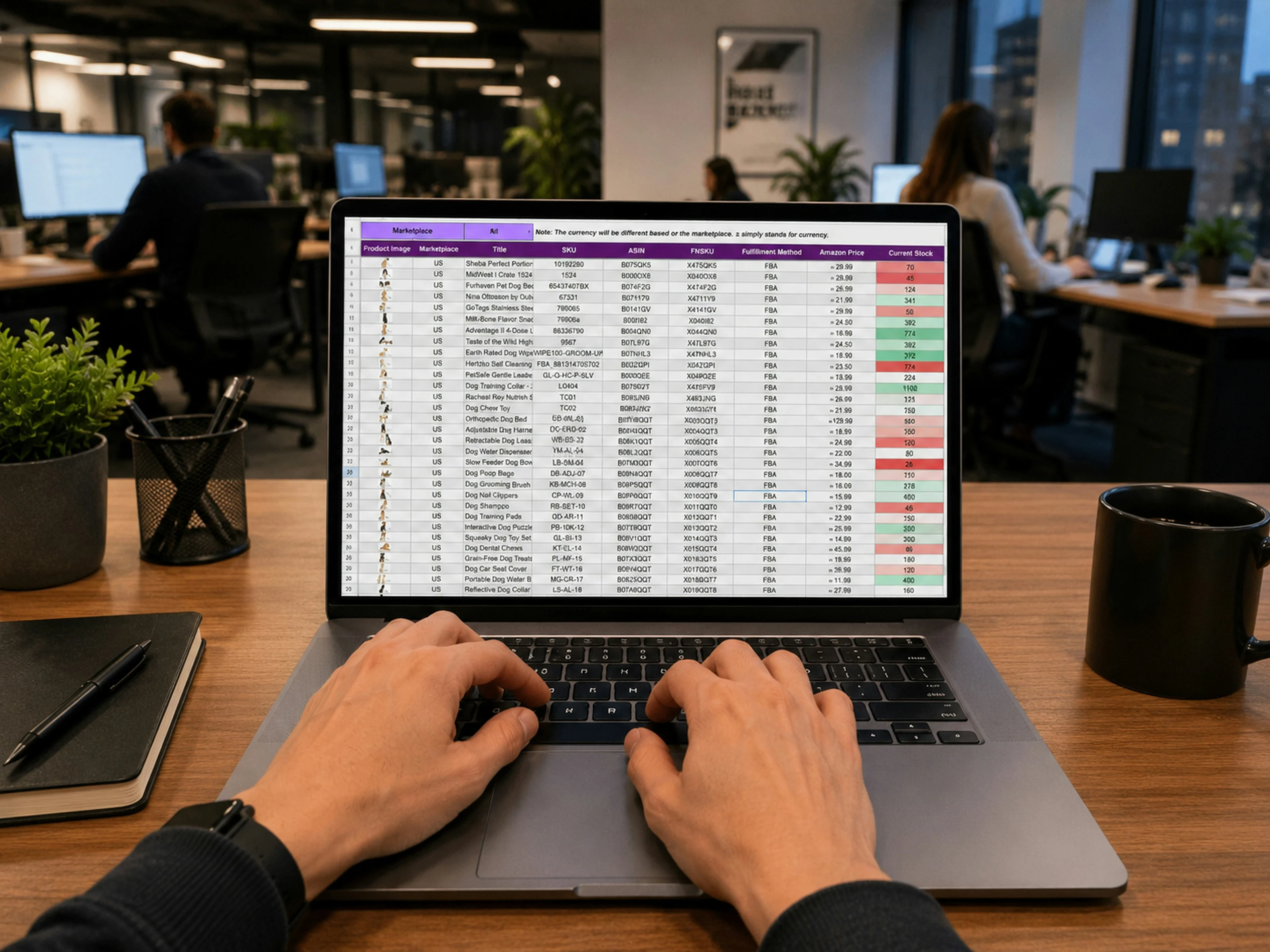
A fixed asset register is a detailed record of the long-term physical assets owned by a business. It contains information about when each asset was acquired, how much it cost, where it is located and how its value changes over time.
Unlike a general ledger, which records the total value of fixed assets under accounting categories, the register tracks individual assets. For example, a business might record all its computers under office equipment in its books, but its register would identify each computer separately.
Maintaining this information through accounting services in Gurgaon can help businesses keep their asset records organised and ensure that the figures in their books can be supported by individual asset details.
What information should a fixed asset register contain?
There is no single mandatory format for every business, but a useful register should contain enough information to identify and track each asset throughout its lifecycle.
The following details are generally worth recording:
- Asset identification number: A unique reference assigned to each asset
- Asset description: The name, type, model or other identifying details
- Purchase date: When the business acquired the asset
- Acquisition cost: The original cost, including eligible expenses required to bring it into working condition
- Location and department: Where the asset is kept and which team uses it
- Supplier details: The vendor's name and invoice reference
- Useful life and depreciation: The estimated useful life, depreciation method and accumulated depreciation
- Net book value: The asset's carrying value after accumulated depreciation and any recognised impairment
- Disposal details: Information about the date and value when the asset is sold, discarded or otherwise removed
For example, a company purchasing a laptop for ₹60,000 should record its purchase date, serial number, assigned employee and location. It should also update the register as depreciation is recorded or when the laptop is eventually disposed of.
Why does your business need a fixed asset register?
A properly maintained register does more than list company property. It supports several everyday accounting and operational activities.
1. Track depreciation accurately
Businesses must account for the gradual reduction in an asset's depreciable value over its useful life. A fixed asset register helps track the original cost, depreciation charged and remaining carrying value of each asset.
For companies, depreciation for financial reporting is governed by applicable accounting standards and Schedule II of the Companies Act, 2013. Income-tax depreciation follows separate provisions and may use the block-of-assets method. Maintaining detailed asset records makes it easier to calculate and reconcile these figures.
2. Prevent asset loss and misuse
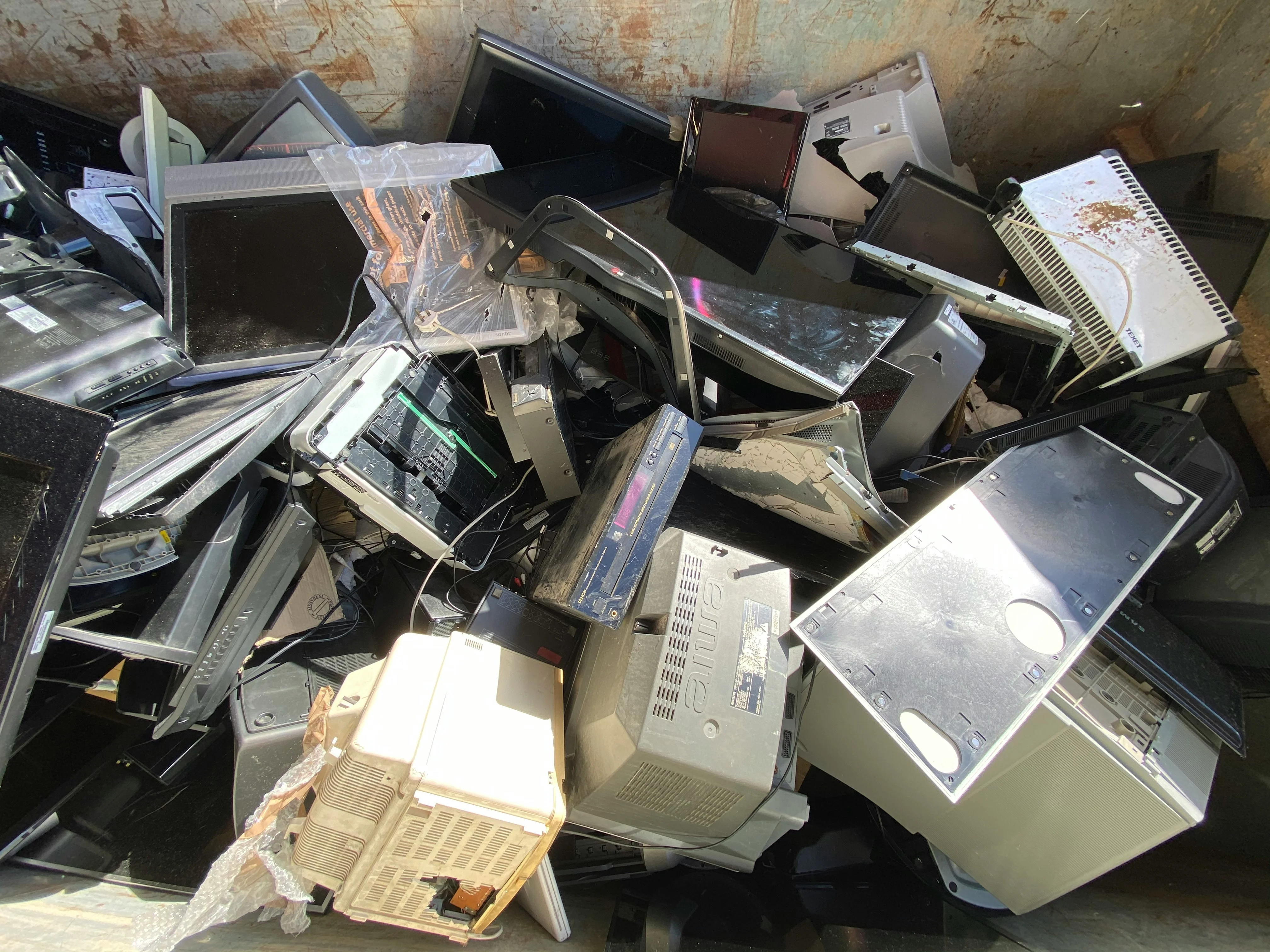
When assets are assigned identification numbers and recorded with their locations, businesses can check whether the equipment they own is actually present. This is particularly useful for companies with multiple offices, warehouses or employees using company-owned equipment.
Regular physical verification against the register can help identify missing assets, unauthorised transfers or equipment that is no longer in use.
3. Improve financial reporting
The value of fixed assets affects a company's balance sheet and depreciation expense. Incomplete records can lead to incorrect asset balances or depreciation calculations.
Accounting services in Gurgaon can help businesses reconcile their fixed asset register with the general ledger, investigate differences and ensure that asset additions and disposals are properly recorded.
4. Support audits and compliance
Auditors may need to verify whether assets recorded in the financial statements exist and whether their accounting treatment is appropriate. A detailed register, supported by purchase invoices and other documentation, makes this process easier.
For companies required to maintain detailed books and records, proper asset documentation also supports their obligations under the Companies Act, 2013.
5. Make better replacement and investment decisions
A register helps management identify equipment that is nearing the end of its useful life or has become inefficient. This information can support decisions about repairs, replacement purchases and future capital expenditure.
How to maintain a fixed asset register
A register is only useful when it is updated consistently. Businesses can follow a straightforward process:
- Record every asset purchase: Add new assets to the register as soon as they are acquired and retain the supporting invoices
- Assign identification numbers: Use unique asset codes or labels to make physical verification easier
- Update depreciation records: Record depreciation according to the applicable accounting policy and maintain separate tax depreciation workings where required
- Conduct periodic physical verification: Check recorded assets against the actual equipment at their assigned locations
- Record transfers and disposals: Update the register whenever an asset changes location, is sold, scrapped or written off
- Reconcile with the books: Compare the register's total carrying value with the corresponding fixed asset balances in the general ledger
Businesses using accounting services in Gurgaon can establish a regular review process to ensure that these updates are not missed during the financial year.
Common mistakes to avoid
Even businesses that maintain an asset register can make errors that affect its reliability. Watch out for these issues:
- Recording purchases without assigning unique asset identification numbers
- Failing to update the register when equipment is transferred or disposed of
- Applying incorrect depreciation rates or useful lives
- Including routine repairs and maintenance as fixed asset additions without assessing whether they qualify for capitalisation
- Not reconciling the register with the general ledger
A periodic review of the register and its supporting documents can help identify these problems before they affect financial reporting.
Why Work With a Professional
Maintaining a fixed asset register involves more than recording purchase details. Businesses need to classify assets correctly, determine their accounting treatment, track depreciation and reconcile individual records with their financial statements. Professional support can help establish consistent documentation practices, identify discrepancies and ensure that asset records remain reliable as the business changes.
At P.K. Lakhani & Co., we help businesses with:
✅ Audit and assurance services
✅ Accounting and bookkeeping
✅ GST registration and return filing
✅ Tax planning and compliance
✅ Payroll and statutory compliance
✅ Business advisory and financial consulting
Consult Our Experts Today
P.K. Lakhani & Co.
📍 302, JMD Galleria, Sohna Road, Sector 48, Gurugram, Haryana, India
📞 +91 9811115617
🌐 https://www.pklakhani.com/
Conclusion
A fixed asset register gives businesses a structured way to monitor the equipment and property they own. It supports accurate depreciation calculations, improves financial reporting and makes it easier to verify company assets. By updating the register regularly and reconciling it with accounting records, businesses can maintain better control over their investments and plan future purchases with greater confidence.
FAQs
1. Is a fixed asset register mandatory for every business?
The specific record-keeping requirements depend on the business structure and applicable laws. Companies must maintain proper books of account under the Companies Act, 2013. Certain businesses may also have additional record requirements under applicable rules.
2. What is the difference between a fixed asset register and a balance sheet?
A fixed asset register provides item-wise details of individual assets, including their cost, location and depreciation. A balance sheet reports the overall carrying value of fixed assets as part of the company's financial position.
3. How often should a fixed asset register be updated?
It should be updated whenever an asset is purchased, transferred, revalued where permitted, impaired or disposed of. Businesses should also conduct periodic physical verification and reconciliation.
4. Can a business maintain its fixed asset register in Excel?
Yes. A business can maintain its register using Excel, accounting software or a dedicated asset management system. The important requirement is that the records remain accurate, accessible and reconciled with the accounting books.
5. Is depreciation in the fixed asset register the same as income-tax depreciation?
Not necessarily. Depreciation for financial reporting follows the applicable accounting framework and, for companies, the relevant provisions of Schedule II where applicable. Income-tax depreciation follows the Income-tax Act and applicable rules. Businesses may therefore need separate calculations for accounting and tax purposes.
Disclaimer: This article is intended for general informational purposes only and should not be treated as accounting, financial or tax advice. Fixed asset recognition, depreciation and record-keeping requirements may vary depending on the business structure and applicable accounting and tax provisions. Consult a qualified professional for advice specific to your circumstances.
Published by: P.K. Lakhani & Co.
Tags: Fixed Asset Register, Fixed Assets, Asset Management, Depreciation, Business Accounting, Accounting Services in Gurgaon