
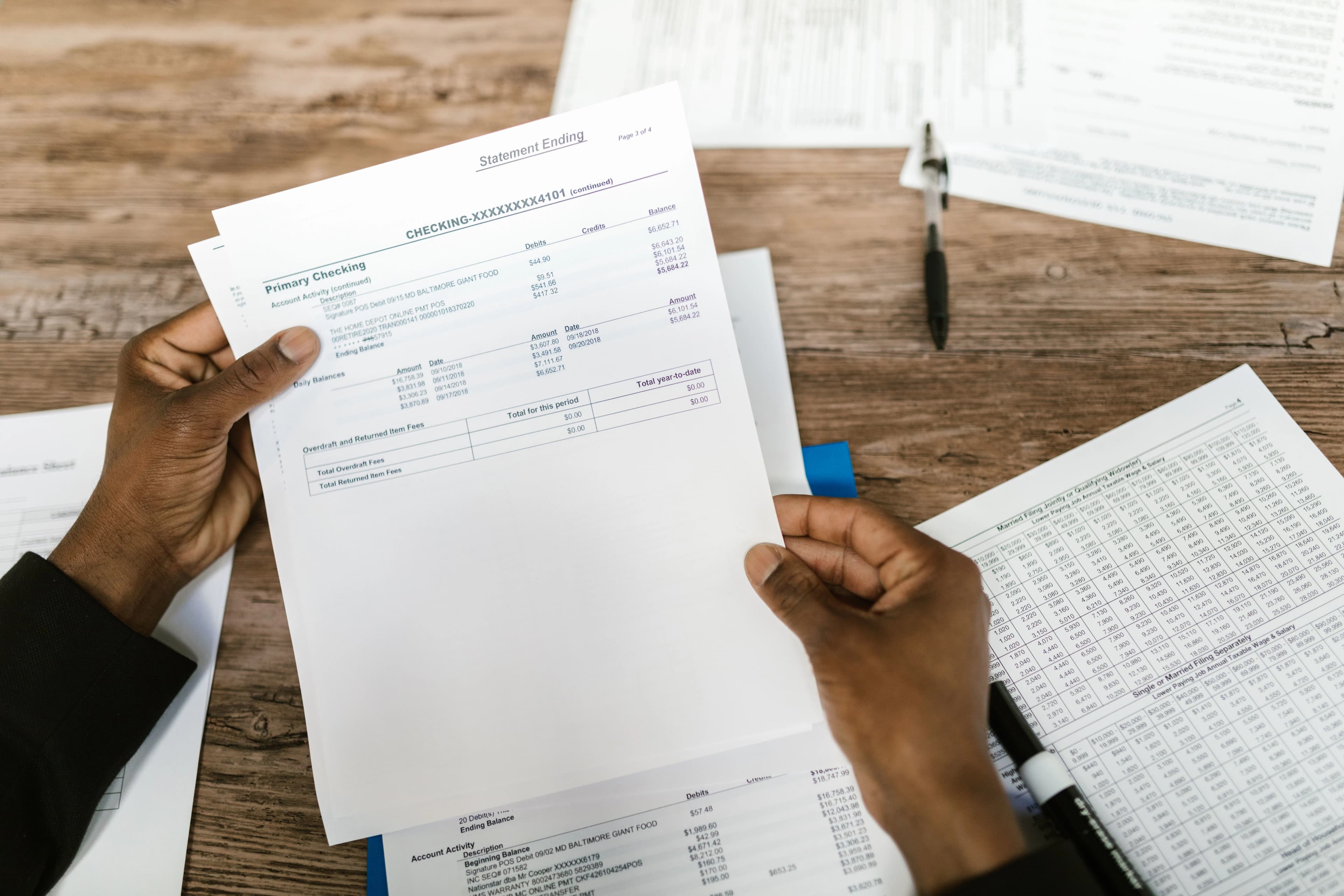
A CA in Gurgaon can help business owners understand bank reconciliation and why the balance in their accounting records may not match their bank statement. Checking both records regularly helps identify missing transactions, spot errors and maintain a more accurate picture of the money available to the business.
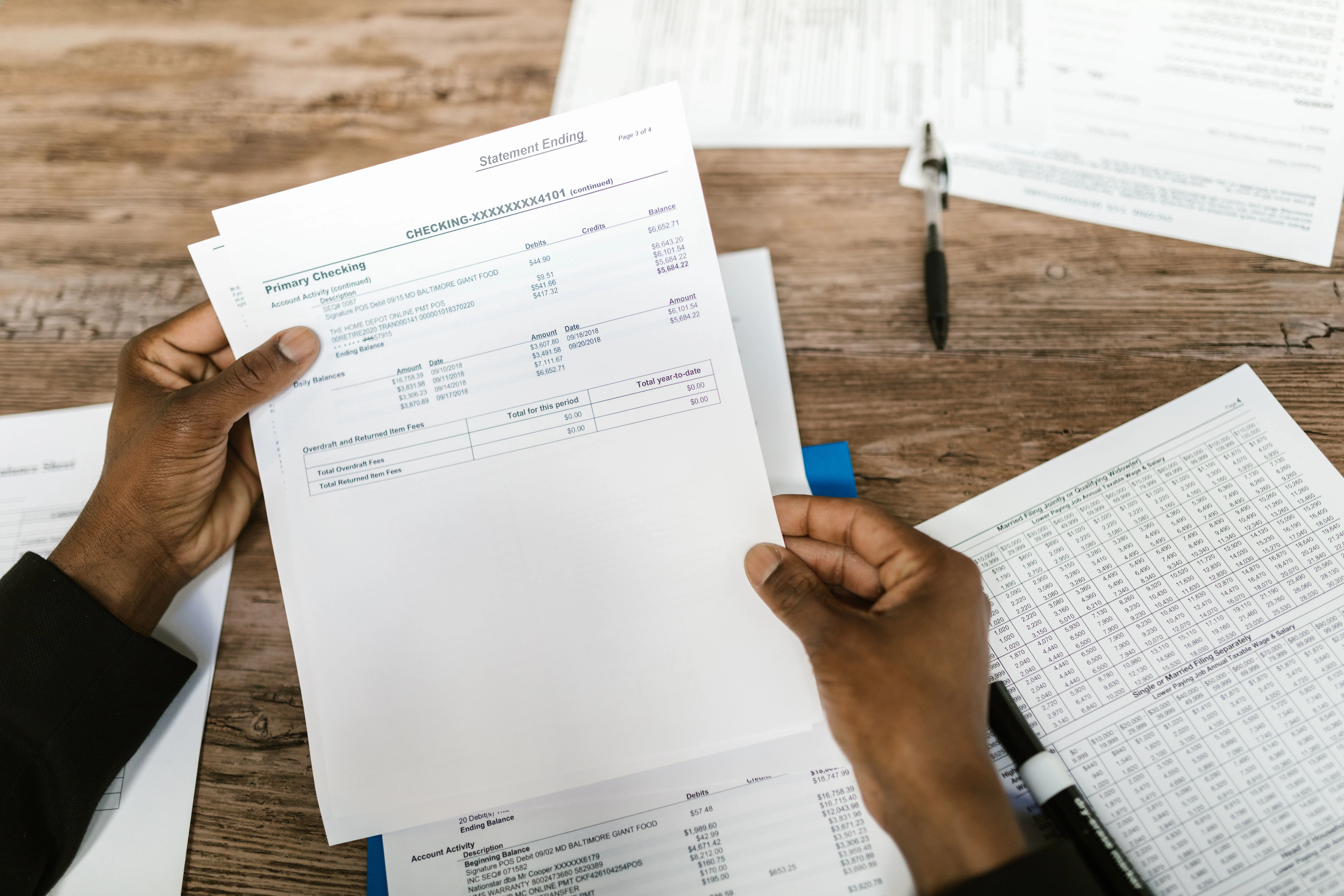
What is bank reconciliation?
Bank reconciliation is the process of comparing a business's internal bank records with its bank statement to identify and explain differences. The internal record is usually the bank column of the cash book or the bank account in the accounting software.
A bank reconciliation statement (BRS) summarises the differences between the two balances and helps establish whether they can be explained by timing differences, unrecorded transactions or errors. The aim is to ensure the adjusted balances agree.
Why is bank reconciliation important?
A bank balance can appear correct at first glance while transactions remain unrecorded or mistakes go unnoticed. Regular reconciliation helps businesses:
- Identify bank charges, interest and other transactions missing from their books
- Spot duplicate entries or incorrect amounts
- Track payments that have not cleared the bank
- Investigate unexpected withdrawals or deposits
- Maintain reliable accounting records for financial reporting
For a growing business, a CA in Gurgaon can also help establish a consistent reconciliation process so discrepancies are investigated before they become harder to trace.

What causes differences between a cash book and a bank statement?
The two balances may differ even when neither record contains an error. Common reasons include:
- Deposits not yet credited: A business records a deposit, but the bank has not processed it by the statement date.
- Payments not yet cleared: A payment has been recorded in the books, but it has not yet appeared in the bank statement.
- Bank charges or interest: The bank records a fee or credits interest before the business enters it in its accounting records.
- Errors or missing entries: A transaction may be recorded twice, entered for the wrong amount or omitted from one set of records.
Understanding the reason for each difference is more useful than simply trying to make the two balances match.
How to prepare a bank reconciliation statement
The process is straightforward when records are up to date.
- Obtain the bank statement and the business's cash book or accounting ledger for the same period
- Match deposits and payments appearing in both records
- List transactions that appear in only one record and investigate why they differ
- Record missing bank charges, interest and other transactions in the books
- Adjust for timing differences and verify that the final balances agree
The exact presentation of a reconciliation statement can vary depending on whether you start with the bank statement balance or the book balance. The underlying principle remains the same: identify every difference and account for it correctly.
Bank reconciliation example
Suppose a business has a cash book balance of ₹90,000, while its bank statement shows ₹92,500 at the end of the month. After checking both records, the business identifies four items:
- A deposit of ₹5,000 recorded in the cash book but not yet credited by the bank
- A payment of ₹7,000 recorded in the cash book but not yet cleared
- Bank charges of ₹500 appearing on the statement but missing from the books
- Interest of ₹1,000 credited by the bank but not recorded in the books
Step 1: Adjust the bank statement balance
Start with the bank statement balance of ₹92,500. Add the deposit of ₹5,000 that has not yet been credited and subtract the payment of ₹7,000 that has not yet cleared.
The adjusted bank statement balance is ₹90,500.
Step 2: Adjust the cash book balance
Start with the cash book balance of ₹90,000. Subtract the bank charges of ₹500 and add the interest of ₹1,000 credited by the bank.
The adjusted cash book balance is ₹90,500.
Both adjusted balances are now ₹90,500, so the reconciliation agrees.
The business should also update its cash book for the bank charges and interest. The deposit and payment remain timing differences until they appear in the bank's records. If an unexplained difference remains, it must be investigated rather than forced into agreement.
Common bank reconciliation mistakes to avoid
Reconciliation is only useful when it is performed carefully. Avoid these common mistakes:
- Reconciling records from different dates or periods
- Treating every mismatch as a bank error without checking the underlying transaction
- Forgetting to record bank charges or interest in the accounting books
- Carrying old unreconciled items forward without investigating them
- Adjusting balances just to make the figures agree
Regular reviews make it easier to identify unusual transactions while supporting records are still available. A CA in Gurgaon can help review recurring discrepancies and improve the business's accounting controls.

Why Work With a Professional
As your business grows, knowing when to seek professional financial support can help you stay organised, manage compliance requirements and make more informed decisions. Working with experienced professionals can provide the support needed to handle changing financial responsibilities effectively.
At P.K. Lakhani & Co., we help businesses with:
✅ Audit and assurance services
✅ Accounting and bookkeeping
✅ GST registration and return filing
✅ Tax planning and compliance
✅ Payroll and statutory compliance
✅ Business advisory and financial consulting
Consult Our Experts Today
P.K. Lakhani & Co. can help businesses review their accounting processes and maintain reliable financial records.
📍 302, JMD Galleria, Sohna Road, Sector 48, Gurugram, Haryana, India
📞 +91 9811115617
Conclusion
Bank reconciliation helps businesses explain differences between their accounting records and bank statements. By matching transactions, recording missing entries and investigating discrepancies, business owners can maintain a more reliable view of their finances. A CA in Gurgaon can help businesses develop a consistent reconciliation process and address accounting issues before they grow.
FAQs
1. How often should a business perform bank reconciliation?
Monthly reconciliation is a useful minimum for many businesses. Businesses with frequent transactions may benefit from reconciling more often.
2. What is a bank reconciliation statement?
A bank reconciliation statement explains the differences between a business's cash book balance and its bank statement balance.
3. Do the cash book and bank statement always have to match?
Not necessarily before adjustments. Timing differences and transactions recorded by only one party can cause temporary differences. The adjusted balances should agree once all items have been correctly accounted for.
4. Are bank charges included in bank reconciliation?
Yes. If the bank has deducted charges that are missing from the cash book, the business should record them and adjust the book balance.
5. What happens if the balances still do not match?
Review unmatched transactions, dates, amounts and opening balances. Check for missing or duplicate entries and contact the bank if a possible bank error remains unexplained.
6. Can accounting software automate bank reconciliation?
Many accounting platforms can import bank transactions and match them against recorded entries. Unmatched items and unusual transactions still need to be reviewed.
Disclaimer: This article is intended for general informational purposes only and should not be treated as professional accounting or financial advice. Businesses should follow appropriate accounting procedures and seek qualified guidance where discrepancies remain unresolved.
Published by: P.K. Lakhani & Co., Chartered Accountants in Gurugram
Tags: bank reconciliation, bank reconciliation statement, bookkeeping, accounting, cash flow management, financial records